Wondering what your home is really worth in Liberty Lake or how to shape a confident offer? Pricing around the lake can feel confusing, especially when waterfront, views, docks, and seasonal demand all play a role. You deserve a clear, local perspective grounded in real data. In this guide, you’ll learn what a Comparative Market Analysis (CMA) is, how it’s built for Liberty Lake, and how to use it to make smarter decisions as a buyer or seller. Let’s dive in.
CMA basics in Liberty Lake
A Comparative Market Analysis is an agent-prepared estimate of a home’s likely value based on recent sales, current listings, and market activity for comparable properties. It helps sellers set a strategic list price and helps buyers plan an offer.
A CMA is prepared by a licensed agent or broker using MLS data, public records, and local knowledge. A typical CMA includes comparable sold properties, active and pending listings, adjusted price ranges, and notes about condition, upgrades, and local influences.
A CMA is an informed opinion, not a formal appraisal. A licensed appraiser performs appraisals for lending, following regulated methods and standards. Lenders often require appraisals, and the appraised value can differ from a CMA.
How a Liberty Lake CMA is built
Data sources agents use
- Multiple Listing Service data for recent sales, active and pending listings, days on market, and price changes.
- Spokane County Assessor for parcel details, lot size, year built, and tax records.
- City of Liberty Lake planning and permit records for zoning, shoreline and boating rules, and permit history.
- Public records for remodeling permits and utility details.
- Local market knowledge for neighborhood nuances, off-market activity, and buyer demand patterns.
Picking the right comparables
Agents focus on sales from the last 3 to 6 months in active markets. For slower markets or unique properties like waterfront, they may extend to 6 to 12 months. The search starts within the same neighborhood or a 0.5 to 1 mile radius, expanding to 1 to 2 miles if needed.
Strong comps match on property type, lot size, bedrooms and bathrooms, age and build quality, square footage, condition, and special features such as lakefront, views, private dock, finished basement, or garage. Closed sales carry the most weight, while pending and active listings show current demand and competition.
Making smart adjustments
No two homes are identical. Agents adjust for square footage, bedroom and bathroom count, lot size and usable land, condition and upgrades, age, and construction quality. For Liberty Lake, unique features like lakefront, views, private docks, shoreline improvements, and topography can drive major adjustments. These are often derived from recent local sales with similar attributes.
Producing a value range
A strong CMA presents a value range rather than a single number. The recommended list or offer strategy balances recent sold prices, active competition, current inventory, market velocity, and your timing. Clear notes explain the reasoning behind major adjustments, especially for waterfront, dock rights, slope, or shoreline improvements.
Liberty Lake factors that change value
Waterfront vs. view vs. non-lake
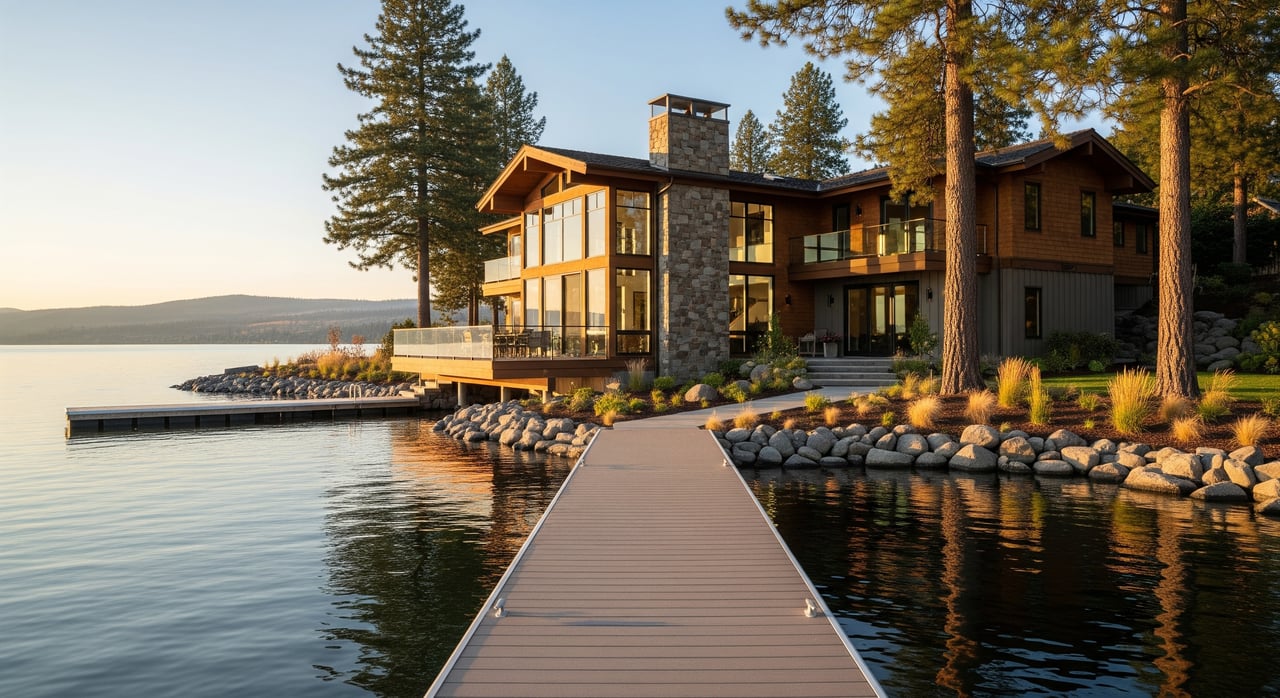
- Waterfront with private shoreline typically carries the highest premium due to direct water access, dock rights, and unobstructed views. The premium varies with dock size, shoreline condition, slope, and beach quality.
- Lake-view properties usually command more than non-view homes but less than direct waterfront.
- Access-only properties with shared or community marina access fall between lake-view and non-access properties.
Verifying shoreline rights, dock permits, riprap or seawall details, and any shoreline improvements is essential before finalizing value.
Lot topography and usable land
Steep lots or difficult shoreline access can reduce the waterfront premium. Flat, easily accessible lots often see higher valuations. Privacy, larger lot sizes, and tree cover can also drive adjustments upward.
Permits, regulations, and flood risk
Washington’s shoreline rules and local permitting affect what you can build or modify near the water. For Liberty Lake, permit histories for docks, stairs, bulkheads, and shoreline modifications matter. Floodplain designations and required mitigations can influence insurability and buyer demand.
Community features and access
Proximity to parks, marinas, boat launches, trails, golf, shopping, and schools can increase demand. HOA dues, amenities, and rules like rental caps or dock regulations change comparability and should be accounted for. Commute access to I-90 and Spokane or Spokane Valley can also impact value.
New construction and seasonality
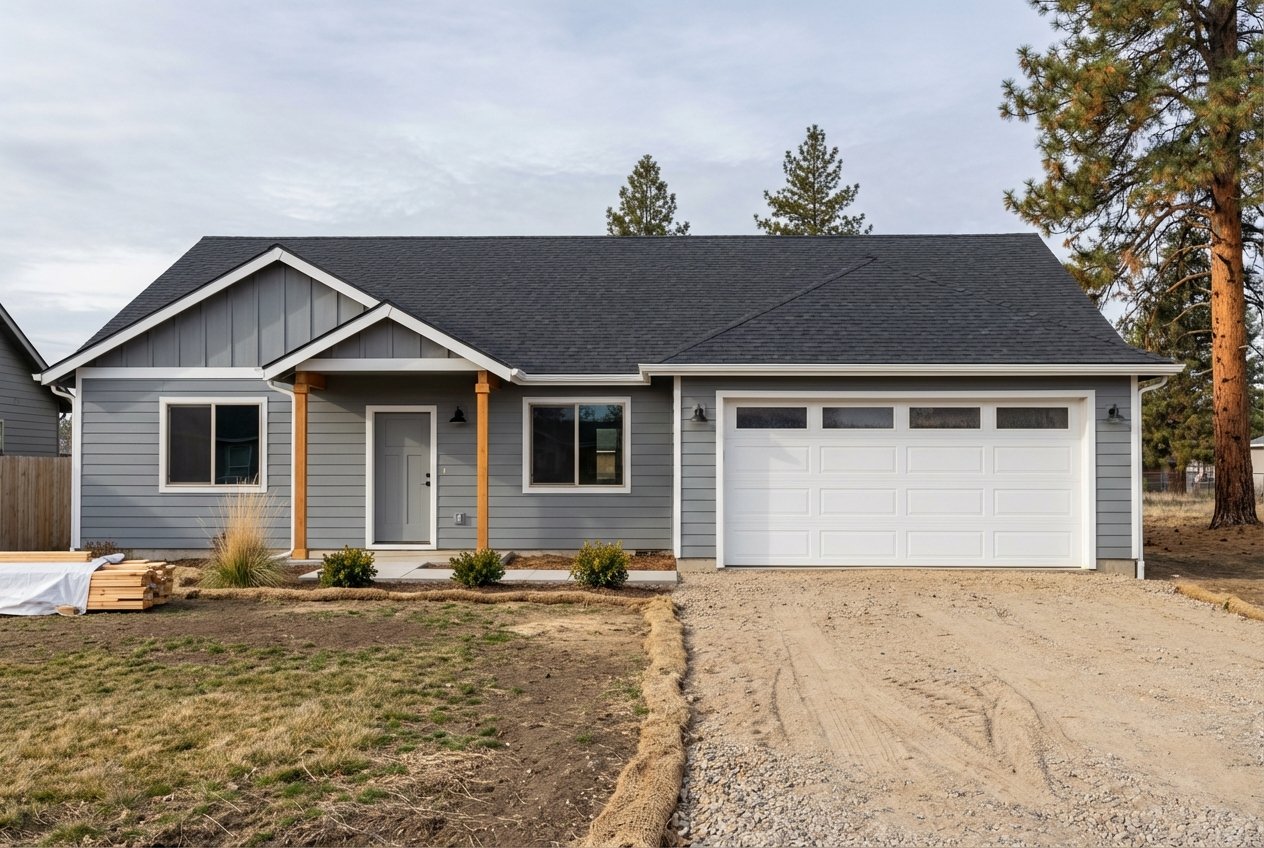
New builds set benchmarks that influence pricing for remodeled homes of similar size. Seasonal demand around the lake usually peaks in spring and summer. Agents often weigh very recent in-season comps differently when pricing off-season.
How sellers should use a CMA
Expect a clear value range with comps and an explanation of adjustments. The list price strategy should balance maximizing proceeds with days-on-market risk. Small pricing differences can change showings and offers.
Be ready to share details that affect value and buyer trust. Disclose shoreline improvements, dock and permit history, septic vs. sewer connections, and major renovations. If your home is a unique waterfront property, your CMA may draw on a wider area or longer timeframe to find suitable comparisons.
How buyers should use a CMA
Use a CMA to understand fair value, identify negotiating room, and set a confident offer range based on recent sales and active competition. For waterfront, confirm shoreline and dock permits, erosion control records, and a recent survey showing riparian boundaries. These items can materially change value and future plans for the property.
CMA vs. appraisal
A CMA is a market-based opinion designed for pricing and strategy. An appraisal is a regulated valuation that lenders rely on, often with stricter time and distance rules for comps. Differences can happen. If a purchase involves financing, the lender’s appraisal may set the value for the transaction.
Keep your CMA current
A CMA captures a moment in time. Ask for an update when new comps close, inventory shifts, interest rates change, or after you complete significant repairs or upgrades. In active markets, updates every 1 to 4 weeks keep your strategy calibrated.
What to provide for a strong CMA
- Recent MLS listing sheets and assessment records for the property
- Renovation and permit documentation, including dock or shoreline work
- HOA or CC&R documents and current fee schedules
- Survey or plat map showing lot lines and shoreline or water access
- Seller disclosures and any recent inspection reports
- Utility details, plus septic or sewer connection information
- Clear photos of the view, shoreline, and key interior and exterior features
Questions to ask about your CMA
- Which sold comps were used and why were they chosen for similarity and distance?
- What adjustments were made for lakefront, views, lot size, condition, and special features?
- Is the property in a FEMA flood zone and are shoreline or dock permits in place?
- How many comparable waterfront sales have closed in the past 12 months?
- What buyer activity exists in this price range in Liberty Lake right now?
- What is the recommended price range and the risk or reward at the top, middle, and bottom of that range?
Red flags to avoid
- Using distant comps with different shoreline conditions without clear adjustments
- Skipping permit verification for docks, seawalls, or shoreline changes
- Over-relying on price per square foot while ignoring lot utility, view, or dock access
- Ignoring seasonal swings for lake-area demand
- Treating active list prices as equal to sold prices
Timeline and next steps
Most agents prepare an initial CMA for a listing consult or when a buyer requests it. Expect updates as the market moves or when new sales close. In active seasons, a frequent refresh helps you stay aligned with real-time demand.
If you are planning to buy or sell around Liberty Lake, get guidance tailored to your property’s features and your timing. Connect with the mother–daughter team that blends waterfront expertise with warm, relationship-first service. Schedule a Free Consultation with A-Team Real Estate.
FAQs
What is a CMA for Liberty Lake homes?
- A CMA is an agent’s data-driven estimate of value using recent sales and current listings for similar properties, designed to guide pricing and offers around Liberty Lake.
How do docks and shoreline rights affect value?
- Direct waterfront with permitted dock rights often commands a premium. The size, condition, permits, slope, and shoreline improvements can raise or lower that premium.
Do seasons change Liberty Lake pricing?
- Yes. Lake-area demand often peaks in spring and summer, so agents may weigh very recent in-season comps differently when pricing off-season.
How far back do comps go in a CMA?
- Most CMAs use the last 3 to 6 months, extending to 6 to 12 months for slower markets or unique properties such as waterfront.
What’s the difference between a CMA and an appraisal?
- A CMA is an agent’s opinion for strategy. An appraisal is a formal, lender-accepted valuation with standardized methods that can override the CMA in financed deals.
How often should I update my CMA?
- Update when new comparable sales close, market conditions shift, or after major upgrades. In active markets, check in every 1 to 4 weeks to stay current.