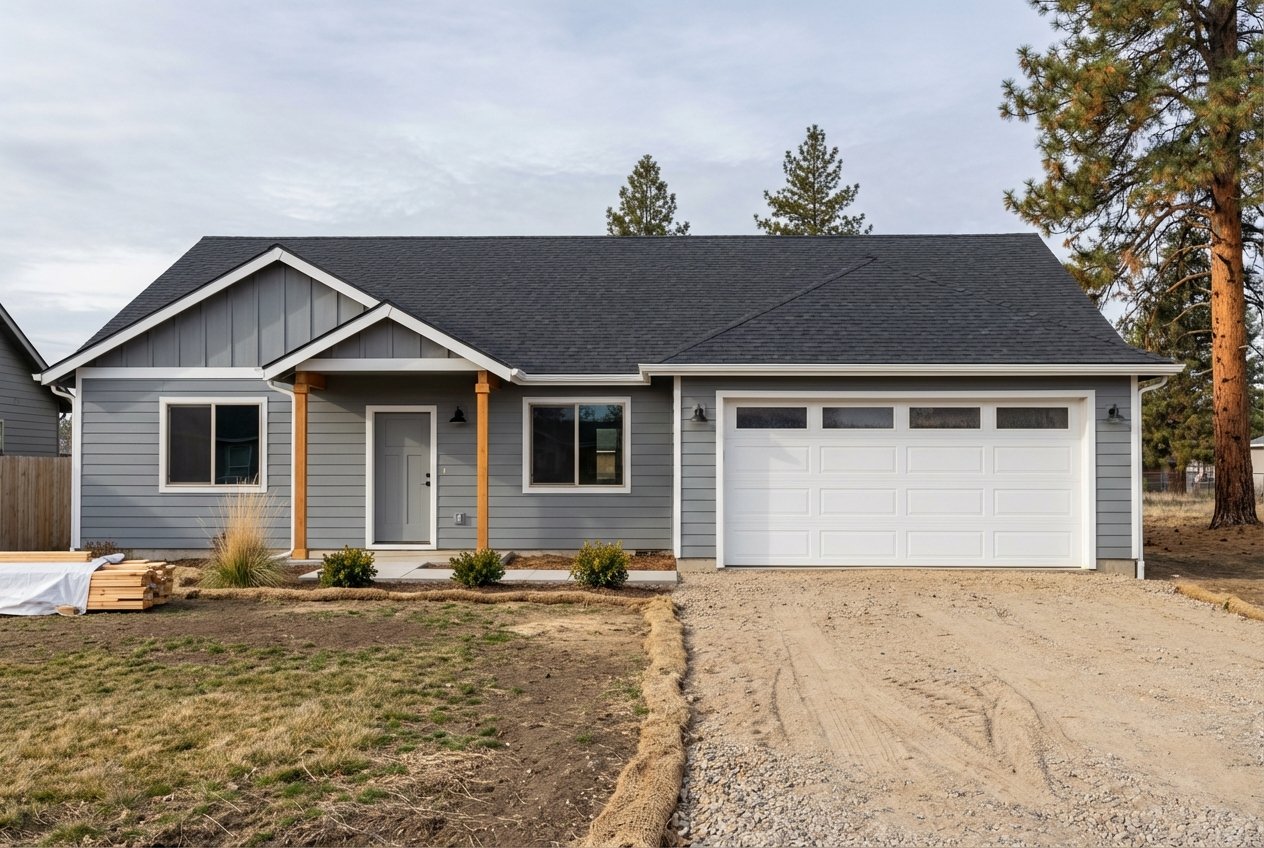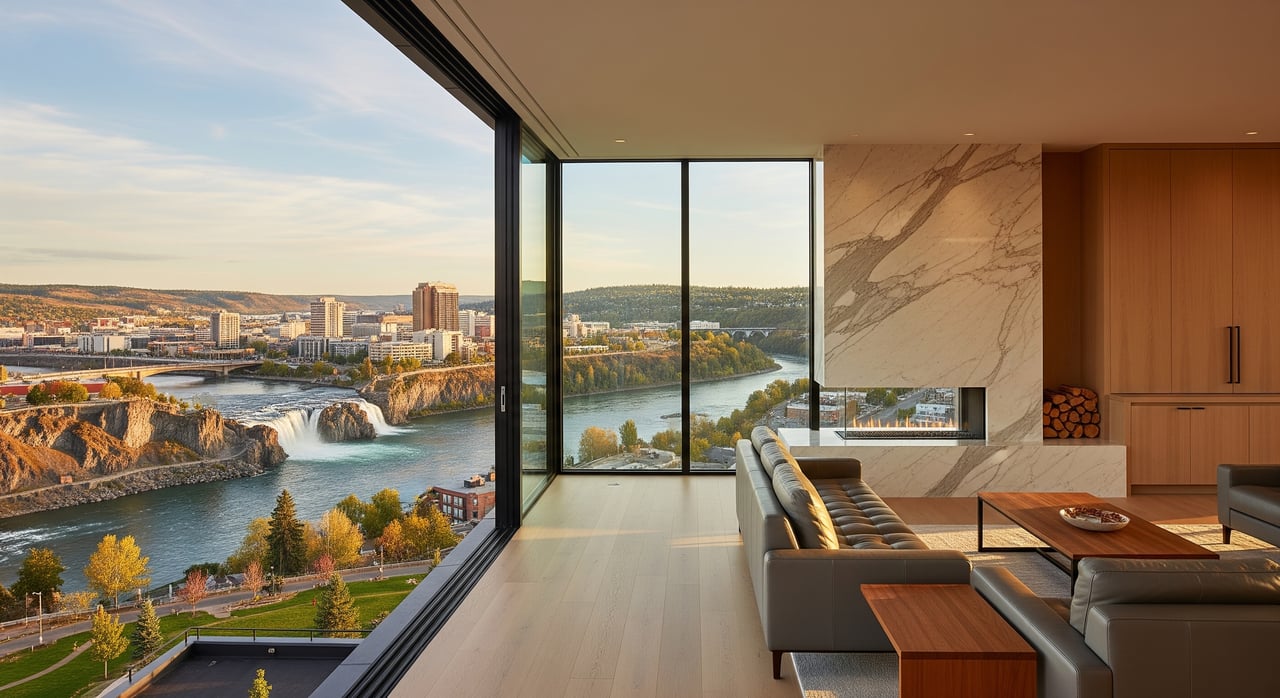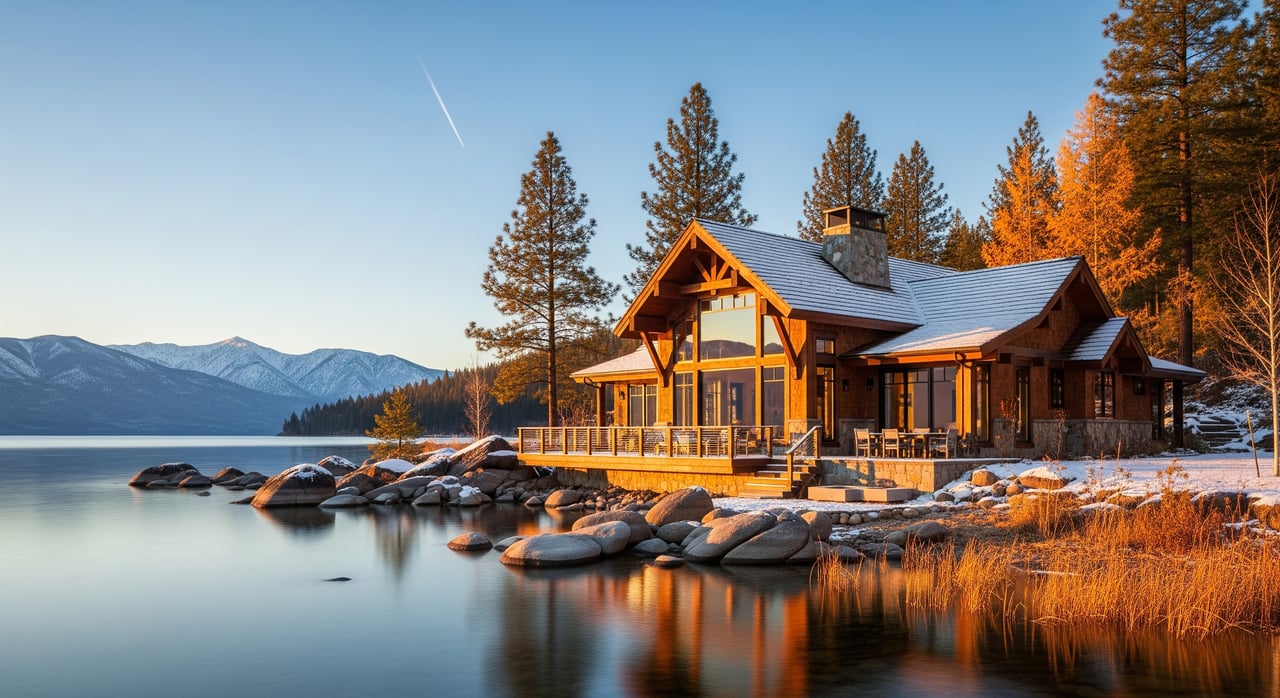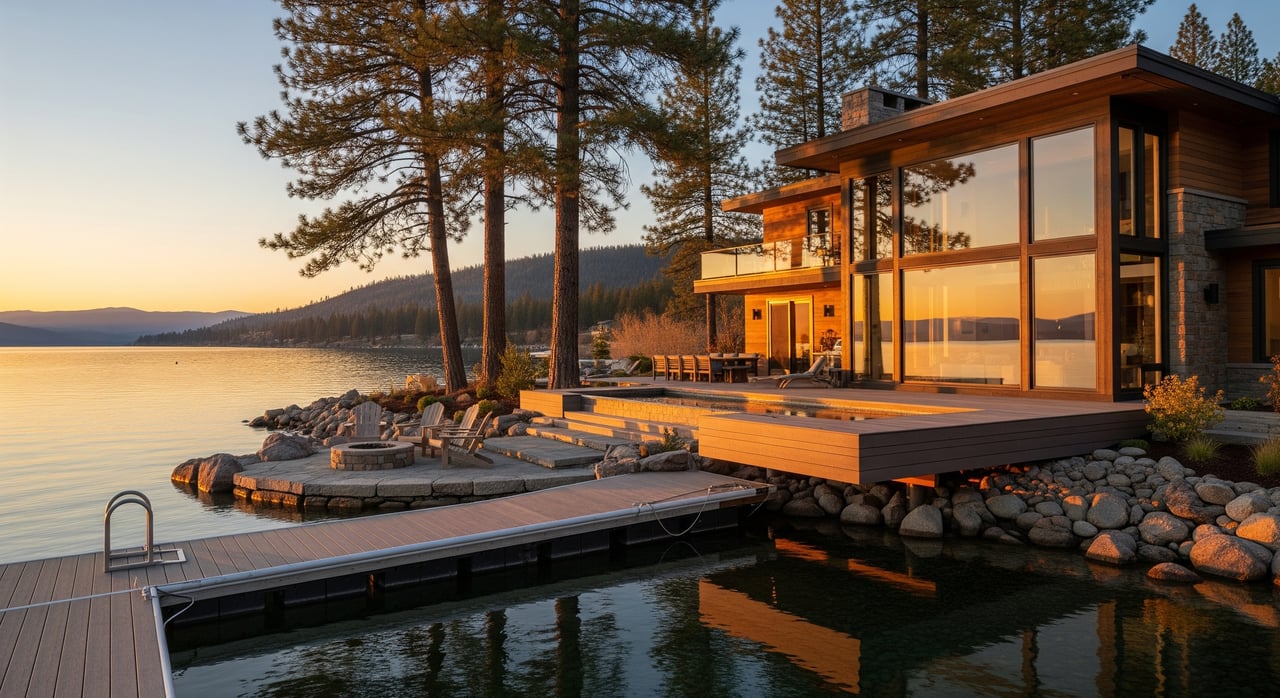
Considering a vacation rental in Coeur d’Alene? You’re not alone. With lake life in the summer, year-round outdoor fun, and steady visitor traffic, CdA can be a smart spot for second homes and STR investments. In this guide, you’ll learn how to check local rules, understand seasonality, run the numbers, choose the right neighborhood, and set up operations with fewer surprises. Let’s dive in.
Why Coeur d’Alene draws STR demand
Lake Coeur d’Alene is the star, and summer is the main stage. Boating, beaches, and downtown dining push occupancy and nightly rates higher from late spring through Labor Day. You also see demand spikes around events like Ironman and seasonal festivals. Check the latest happenings on the Visit Coeur d’Alene calendar to plan pricing and minimum stays.
Accessibility helps. Spokane International Airport is roughly 30 to 40 miles away via I‑90, which keeps weekend trips and fly-in vacations easy. Nearby ski areas, hiking, and fishing keep your calendar from going completely quiet outside summer.
Here’s the typical seasonality pattern you can plan around:
- Peak season: Memorial Day through Labor Day with the highest ADR and occupancy.
- Shoulder seasons: spring and early fall with steady weekend demand and moderate weekday bookings.
- Off season: late fall and winter with lower ADR and shorter stays, supported by holiday events and regional travelers.
Start here: rules and permits
Before you run numbers, confirm what’s allowed at the exact address. STR rules differ inside city limits versus county areas, and HOA covenants can override everything.
Key steps:
- Check whether the property is in the City of Coeur d’Alene or unincorporated Kootenai County. Then review current STR guidance on the City of Coeur d’Alene website.
- Verify permit or registration requirements. Many cities require a business license, annual STR permit, occupancy limits, parking minimums, and safety equipment such as smoke and CO detectors. Rules can change, so contact the city directly for timelines, fees, and inspection processes.
- Confirm if transient lodging and sales taxes apply and who must remit them. Review registration and collection details with the Idaho State Tax Commission.
- Request and read HOA and CC&Rs for any condo or neighborhood property. Get written confirmation that short-term rentals are allowed and note any minimum stay or guest policies.
- Understand neighborhood expectations for parking, garbage, and noise. These drive guest reviews and affect compliance.
A quick early rule of thumb: get it in writing. Permits, HOA allowances, and tax setup should be confirmed before you waive contingencies.
Where to buy: neighborhood fit and guest profiles
Different areas attract different guest types and stay patterns. Match your strategy to the location and property style.
- Downtown and near the waterfront: Walkable access to shops and restaurants tends to lift willingness to pay year-round. Smaller condos can perform well for couples and business travelers. Watch for HOA restrictions.
- Lakefront and lakeside neighborhoods: Think weeklong summer bookings and premium rates. Expect higher purchase prices, dock or moorage considerations, and more upkeep. Maintenance and insurance exposure are part of the equation.
- Hayden Lake and Fernan Lake: Similar lake-driven demand with slightly different guest preferences. Good for families, fishing trips, and scenic escapes.
- Post Falls, Rathdrum, Hayden: Often lower purchase prices than true lakefront, with dependable weekend and family demand depending on proximity to attractions.
- Suburban homes near parks and trails: Solid for family getaways and repeat guests. Off-street parking and outdoor spaces help performance.
Focus on features that consistently improve results: 2 or more bedrooms, 2 bathrooms if possible, dedicated parking, a well-equipped kitchen, fast Wi‑Fi, quality photos, and clean, modern furnishings. For lake properties, outdoor seating, safe access to the water, and clear house rules around docks and gear are essential.
Run the numbers with conservative assumptions
Your pro forma should reflect real market rhythms. Start with neighborhood-level ADR and occupancy and build in seasonality.
- Pull comps from tools like AirDNA market reports to estimate ADR, occupancy, booking windows, and RevPAR for your micro-area.
- Model peak, shoulder, and off-season separately. Stress test lower occupancy in winter and shoulder months.
- Map expenses by category: management fees, cleaning and laundry, utilities, supplies, platform fees, maintenance, landscaping and snow removal, insurance, and local lodging/sales taxes. If you plan on a manager, many charge 15 to 35 percent of rental revenue depending on scope.
- Budget for furnishings and setup. A turnkey single-family home can range from the low to mid five figures depending on size and quality. Include smart locks, professional photos, listing copy, and initial supplies.
For taxes, short-term stays are typically subject to state and local lodging and sales taxes. Review registration and remittance requirements with the Idaho State Tax Commission. If you plan to use the home personally, the rental versus personal-use split can affect your federal deductions; see IRS Publication 527 for how the IRS treats mixed-use properties.
Financing: second home or investment loan
Your loan type depends on how you use the property. Second-home loans usually require some personal use and may include limits on year-round nightly rentals. Properties run primarily as short-term rentals are usually financed as investment properties.
- Discuss your exact plan with a mortgage professional early and disclose STR intent. You want the right product from day one.
- Investment loans often require larger down payments and reserves, and they may carry higher interest rates than primary or second-home loans.
- DSCR loans underwrite based on the property’s projected cash flow rather than your personal income and can be useful for STR investors.
For background on mortgage basics, the Consumer Financial Protection Bureau is a good resource. You can also review Fannie Mae guidelines to understand common definitions for second homes and investment properties.
Setup, management, and guest experience
Decide whether to self-manage or hire a local STR manager. A full-service manager handles listings, guest messages, turnovers, and maintenance. Self-managing keeps more revenue but requires systems.
- Create clear house rules, screening, and deposits to reduce wear and tear. Smart locks and digital guidebooks improve access and guest satisfaction.
- Use dynamic pricing tools and track booking lead times. Align minimum stays with event calendars to capture peak demand.
- Build a reliable cleaning and maintenance roster. Consistent, hotel-level cleanliness is one of the biggest drivers of reviews and repeat stays.
Insurance and risk mitigation
Standard homeowners policies often exclude short-term rental activity. Ask your insurance broker for an STR endorsement or a policy designed for vacation rentals, and consider an umbrella liability policy for extra protection. The National Association of Insurance Commissioners offers consumer resources to help you understand coverage topics.
For waterfront or low-lying properties, evaluate flood risk and dock or shoreline issues. Look up the parcel on the FEMA Flood Map Service Center and confirm whether flood insurance is required or recommended. If a property has a dock or moorage, verify permits and maintenance responsibilities and ensure the policy addresses watercraft and liability exposure.
A quick due diligence checklist
Use this list to move confidently from interest to offer:
- Confirm whether the address sits inside city limits or in unincorporated county. Then verify current STR permits and licensing on the City of Coeur d’Alene site and by speaking with staff.
- Request CC&Rs and HOA rules. Get written confirmation that short-term rentals are allowed and note any restrictions.
- Pull neighborhood ADR and occupancy data from AirDNA and talk to local STR managers for ground-level context.
- Ask the seller for historical rental performance if available, including calendars, P&Ls, and average rates.
- Estimate operating expenses line by line and build a conservative pro forma with seasonality.
- Verify insurance availability and premiums for STR use and any waterfront risks. Review consumer basics through the NAIC.
- Check flood risk using the FEMA Flood Map Service Center.
- Align financing with your true use case. Review mortgage basics via the Consumer Financial Protection Bureau and confirm your lender’s policy on STRs.
- Register for applicable lodging and sales taxes with the Idaho State Tax Commission.
Partner with a local, relationship-first team
If you want a vacation home that also performs as an STR, you need a team that understands waterfront nuances, HOA rules, and cross-border logistics between Spokane and North Idaho. We combine hands-on waterfront and acreage expertise with modern marketing to help you buy the right property and set it up for success. When you are ready, connect with A-Team Real Estate to talk strategy, neighborhoods, and next steps.
FAQs
Are short-term rentals allowed in Coeur d’Alene city limits?
- It depends on the property’s address, zoning, permits, and HOA rules. Start with the City of Coeur d’Alene and request written confirmation for the specific parcel.
What seasonality should I expect for a CdA vacation rental?
- Peak demand runs late spring through summer, with moderate shoulder seasons and a slower winter supported by events and regional travel.
How do I estimate revenue for my target neighborhood?
- Use neighborhood-level ADR and occupancy from AirDNA and validate with local managers and recent listing calendars.
What loan types work for STRs in North Idaho?
- Second-home loans may work if you plan personal use; investor or DSCR loans fit properties operated primarily as STRs. Review basics with the CFPB and Fannie Mae.
What taxes apply to short-term rentals in Idaho?
- Short stays generally trigger lodging and sales taxes. Register and confirm remittance steps with the Idaho State Tax Commission.
Do I need special insurance for a vacation rental?
- Yes. Ask for STR-specific coverage and consider an umbrella policy. For lakefront homes, review dock and flood exposures; consult the NAIC and check parcel risk on FEMA flood maps.