Wondering why homes near the lake fly off the market in July while ski condos buzz in January? In Sandpoint, seasonality is real, and it shapes timing, pricing, and how you negotiate. If you are planning a move or an investment, understanding the calendar can help you act with confidence. In this guide, you will learn the month-by-month rhythm, who holds leverage when, and the best timelines for lake, ski, and in-town properties. Let’s dive in.
Why Sandpoint is seasonal
Sandpoint’s market blends primary residences with a strong second-home and vacation-rental segment. That mix creates clear peaks tied to outdoor lifestyles and travel patterns.
- Schweitzer Mountain Resort pulls winter and early-spring buyers who want ski access and STR-friendly properties.
- Lake Pend Oreille drives late spring through summer demand for waterfront, near-lake, and vacation-ready homes.
- Tourism and seasonal events amplify buyer traffic in late spring and summer, while winter visitors focus near the mountain.
- Remote work supports steady interest year-round, but it has not erased the clear peaks around ski and lake seasons.
The takeaway: Sandpoint is a hybrid market. Seasonality plays out differently for lakefront, ski-adjacent, in-town residential, and investment properties.
Month-by-month market rhythm
Here is a practical framework to set your expectations. Micro-shifts occur each year based on weather and broader conditions.
Late winter: February–March
Ski season is still active, and inventory starts to climb from deep winter levels. You will see ski-focused buyers and early spring shoppers preparing for summer moves. Sellers near the slopes can attract strong interest.
Spring: April–May
As snow melts, lake areas become accessible and a broader buyer pool reactivates. More sellers list in spring, and competition increases as many buyers shop at the same time. In a healthy market, sales move faster and list-to-sale ratios tighten, so curb appeal and presentation matter.
Early to mid-summer: June–August
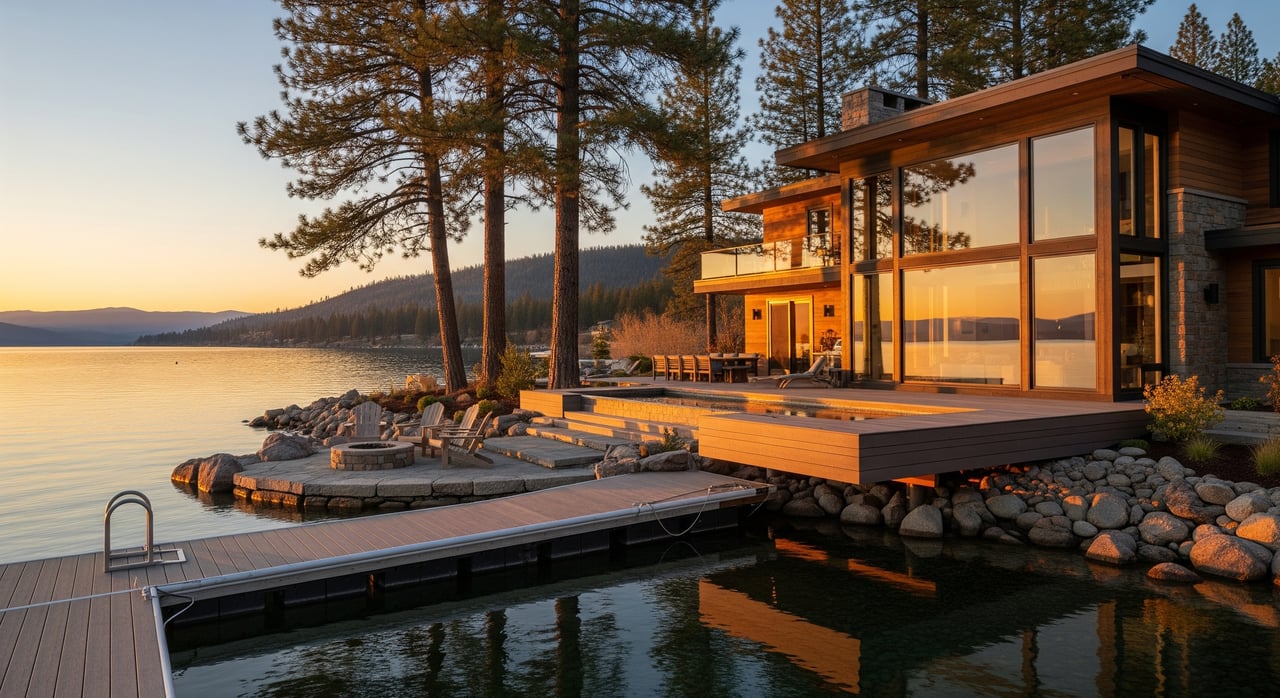
This is peak demand for lake properties and vacation buyers. Inventory can be high because seasonal owners list, but strong demand often keeps days on market low for well-located homes. Lakefront and short-term-rental-ready properties often see the most leverage and more multiple-offer scenarios.
Late summer to early fall: September–October
There is a second wave as summer visitors write offers and aim to close before winter. Tourism eases after Labor Day, which means fewer competing showings and more focused local buyers. It is a smart window for sellers who want to wrap up before snow and for buyers who prefer less crowding.
Late fall to early winter: November–December
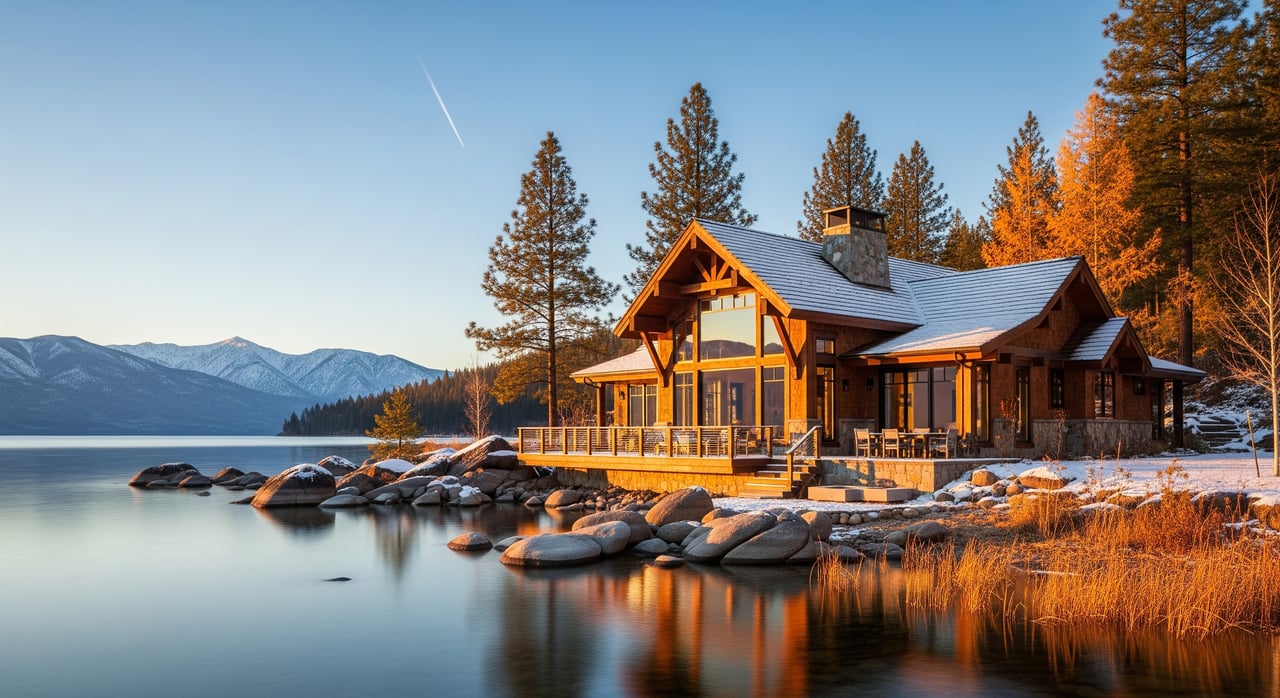
Ski-adjacent properties get a bump as the season kicks off, while off-lake inventory typically thins. Overall demand cools outside the ski market, but serious out-of-town buyers still visit during holiday and ski trips. Expect longer days on market for many non-ski listings unless they are priced sharply or showcase standout winter appeal.
How seasonality shifts leverage
Seasonality changes who holds the upper hand and what it takes to win.
Pricing power
- Peak windows: Sellers of in-demand homes often see stronger list-to-sale ratios. Lake properties shine in summer. Ski homes shine during ski season.
- Off-peak windows: Buyers gain leverage. Sellers may consider price adjustments, closing credits, or flexible possession.
Days on market
- Summer and ski peaks: DOM tends to shorten for desirable properties.
- Late fall and deep winter for non-ski: DOM often stretches, and showings slow.
Offer competition and contingencies
- Peak periods: Multiple offers are more common, and clean, well-prepared offers stand out.
- Off-peak: Buyers can often keep inspection and appraisal contingencies and negotiate credits or timelines.
Inspections and appraisals
- Winter: Inspections may surface cold-weather issues like frozen plumbing, roof loads, or access challenges. Appraisers may use comps from other seasons, which can introduce some variance.
- Summer: Landscaping, docks, shoreline features, and lake access are easier to evaluate.
Short-term rentals
- Seasonal occupancy and peak-night rates shape investor underwriting and cap rate assumptions. Verified income histories and permitting details help justify value.
Seller strategies by season
Set your timeline and preparation to match your property type.
Best listing windows by property type
- Lakefront and near-lake: List late April through June to capture summer buyers and vacation planners.
- Ski-area and ski-adjacent: List late November through January to align with skier traffic, or late winter into spring if you want visibility with both ski and spring buyers.
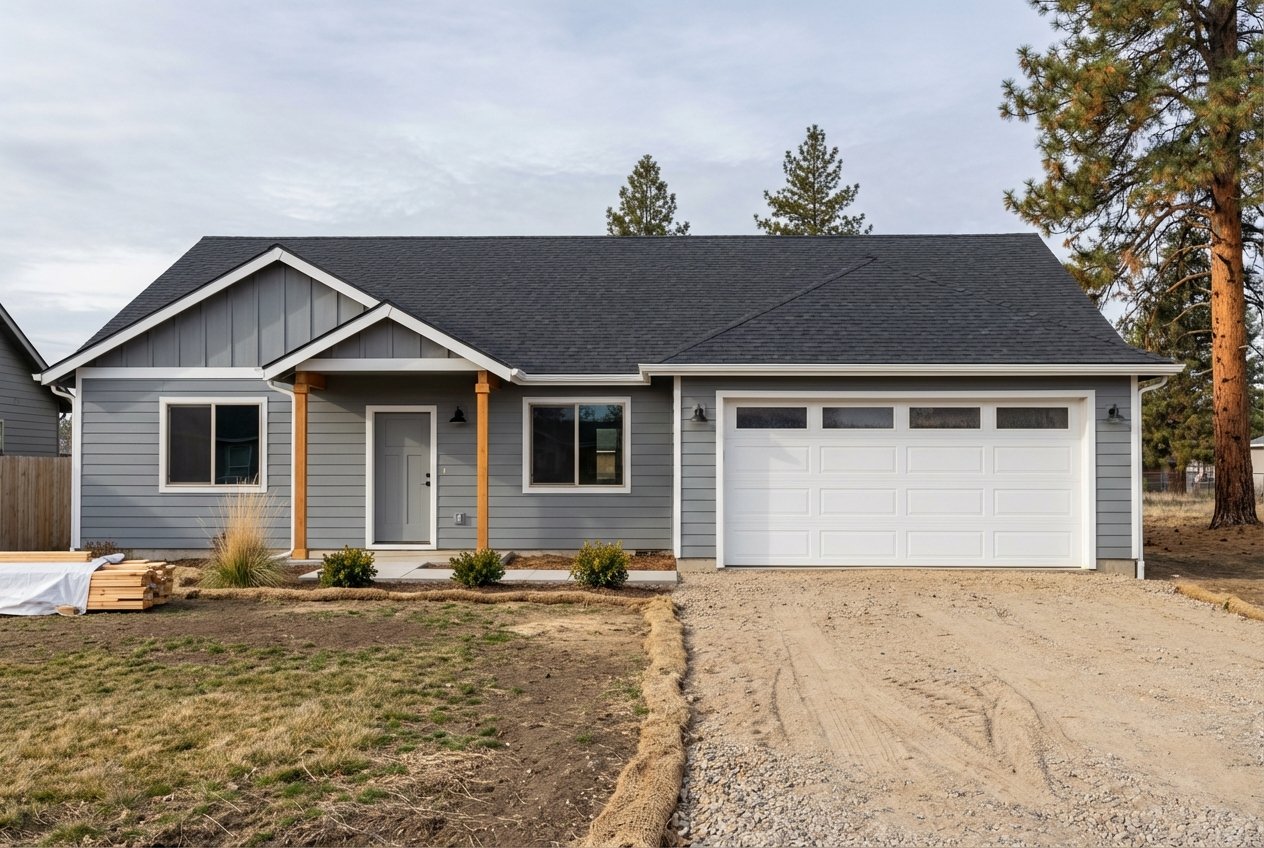
- In-town residential: Spring is classic for maximum traffic, with late summer and early fall as solid secondary windows.
Prep checklist by season
Spring and summer
- Fresh landscaping, trimmed trees, and clean hardscapes.
- Dock and shoreline maintenance if applicable.
- Outdoor living staged with seating, lighting, and clean surfaces.
Fall and winter
- Warm, inviting interior staging and strong lighting.
- Professional photos that highlight cozy features like fireplaces.
- Documentation on snow management, heating systems, and ski access.
Pricing and offer timing tips
- In peak months, price to signal value and allow room for competitive interest. Make showings available on peak visitor days, especially weekends.
- In slower months, consider sharper initial pricing and incentives such as closing cost assistance or flexible move-out dates.
Investor-seller documents to prepare
- Short-term rental permit status, if applicable.
- Historical occupancy and revenue records by season.
- Pro forma revenue and expense projections that reflect seasonality.
- Maintenance logs for docks, septic, wells, and heating.
Buyer strategies by season
Use the calendar to choose when to tour, how to structure your offer, and what to verify.
When to search by goal
- Lake-focused: Start in spring so you can tour in summer when docks, water levels, and neighborhood activity are visible.
- Ski-focused: Visit in late fall or winter to test access, parking, and distance to lifts or shuttles.
Negotiation moves
- Peak season: Come in with a strong pre-approval, tight timelines, and minimal contingencies if you are comfortable. Be ready for multiple offers.
- Off-peak: Keep inspection and appraisal contingencies, request seller credits, and negotiate flexible possession.
Inspection and closing timing
- Winter closings: Plan for weather delays. Confirm access, utilities, and snow removal. Schedule inspections that consider cold-weather stress on systems.
- Summer closings: Evaluate shoreline structures, dock permits, and landscaping components.
Financing and appraisal prep
- Appraisers may need comps from different months. That can affect value opinions.
- If relying on rental income, have at least 12 months of verified occupancy and revenue data available for your lender.
Sandpoint due diligence checklist
- Flood zone status and insurance needs.
- Septic versus sewer details and any inspection requirements.
- Dock permits and moorage rules for lake properties.
- Winter road maintenance and access for rural or hillside homes.
Planning your timeline
Because weather and travel patterns shift year to year, it helps to watch recent local trends. Track monthly inventory, pending and closed sales, median price, days on market, sale-to-list ratio, and months of supply. If you are investing, review seasonal STR occupancy and nightly rates. Also check the Schweitzer season calendar and the local events schedule so your listing or offer strategy aligns with real visitor traffic.
A smart approach is to review the last 24 months of monthly data and then match your plan to the property type. For example, a lakefront home may deserve a spring listing date and outdoor staging, while a ski condo could perform best with a winter list date and cozy, amenity-forward marketing.
Your next step
If you want a season-smart plan for your Sandpoint move or investment, we are here to help. Our team works across North Idaho’s lake and resort communities and understands how timing, presentation, and permit details shape results. Let’s map your calendar to your goals and get you market ready.
Ready to get started? Reach out to A-Team Real Estate for a personalized, season-by-season strategy.
FAQs
What is the main cause of Sandpoint’s seasonal market?
- The market is shaped by Schweitzer’s ski season and Lake Pend Oreille’s summer season, plus tourism, second-home demand, and short-term rentals.
When should I list a lakefront home in Sandpoint?
- Late spring through early summer is the sweet spot, capturing peak buyer visits and vacation planning for the season.
When is it smartest to buy near Schweitzer Mountain?
- Late fall and winter let you evaluate real ski access and often negotiate with less competition compared with summer.
How do seasonal shifts affect negotiation leverage?
- Sellers typically hold more power during peak months, while buyers gain leverage off-peak with room for contingencies and credits.
What should investors verify before buying a vacation rental?
- Confirm permit status and back up projected income with at least 12 months of verified occupancy and average nightly rates that reflect seasonal swings.