Trying to choose between Spokane and Coeur d’Alene? You’re not alone. This corridor feels like one region, yet the state line brings real differences in daily life, housing, and long‑term costs. If you want outdoor access, reasonable commutes, and a home that fits your lifestyle, it pays to compare the details side by side. In this guide, you’ll learn how the two areas differ on commute, housing types, lifestyle amenities, taxes, and practical cross‑border rules. Let’s dive in.
Spokane vs. Coeur d’Alene at a glance
Spokane is the larger regional hub for eastern Washington and parts of North Idaho. Coeur d’Alene sits roughly 30 to 40 miles east along I‑90. The drive from downtown Spokane to downtown Coeur d’Alene typically takes about 30 to 45 minutes depending on traffic and weather.
Both places share a connected economy and recreation scene. You’ll see commuters going both directions, people shopping across the line, and families using parks and trails throughout the region. Different state rules and taxes, however, shape ownership costs and paperwork.
Commute and getting around
I‑90 is the spine between the two cities and the main commuter route. Expect the heaviest traffic near interchanges and during peak hours. Winter weather can slow travel, so build in extra time during storms and when roads are slick.
Regional trails, especially the Centennial Trail, create non‑car options for biking and walking on portions of the corridor. Spokane Transit Authority and North Idaho Transit serve their local areas, but most cross‑state commutes happen by car.
Housing styles and neighborhoods
Spokane character
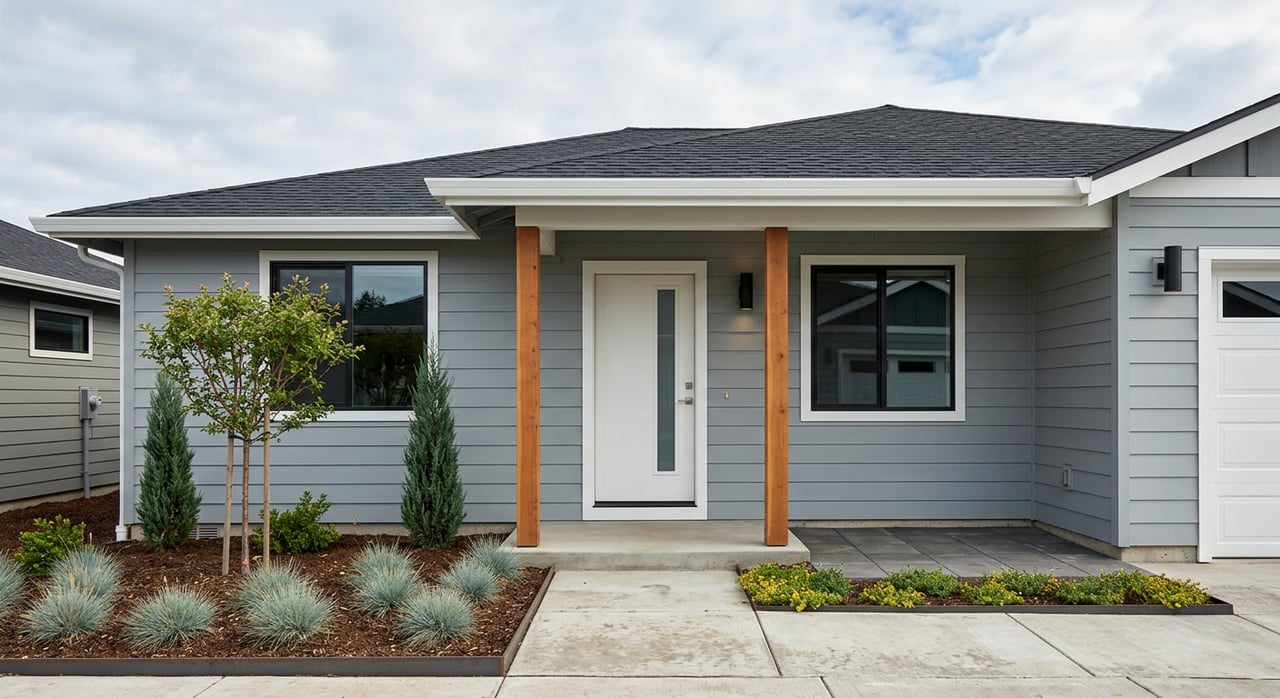
Inside Spokane, you’ll find early 20th‑century Craftsman homes, bungalows, and brick houses in older neighborhoods, plus mid‑century ranches a bit farther out. Newer subdivisions and planned communities are common in areas like Liberty Lake, Spokane Valley, and Airway Heights. Downtown and nearby corridors offer urban condos and multifamily options.
Coeur d’Alene character
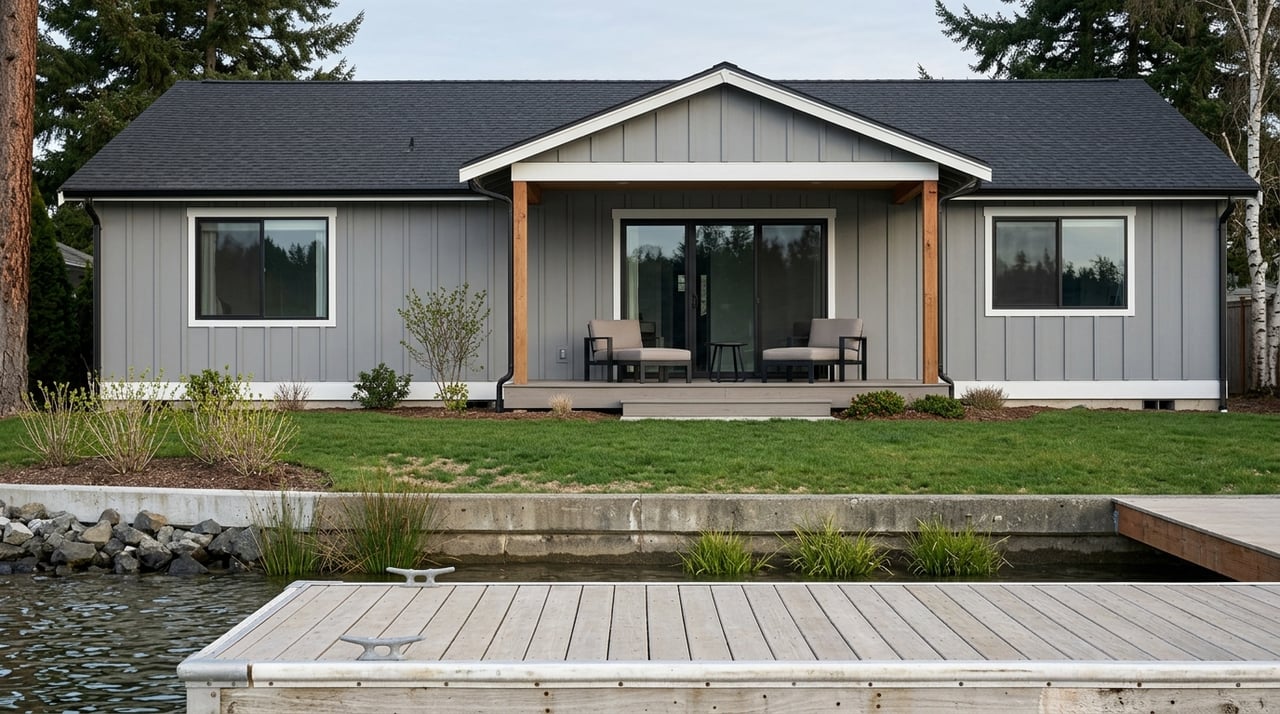
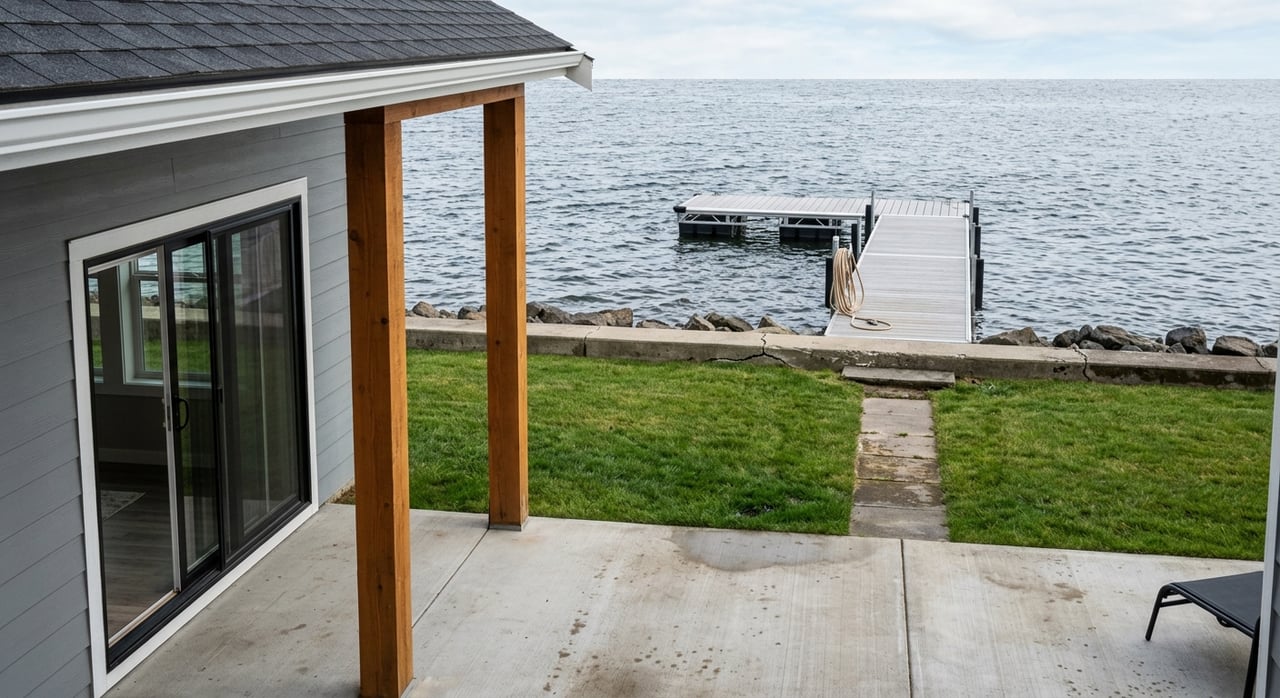
In Coeur d’Alene and Kootenai County, the housing mix leans toward lakefront and lake‑view homes near Lake Coeur d’Alene and Hayden Lake, resort‑area condos, and single‑family subdivisions outside the core. You’ll also see rural acreage, hobby farms, and properties transitioning from agricultural to residential use.
Price tendencies and buyer profiles
Coeur d’Alene often carries a premium in segments tied to the lake, including waterfront and resort‑oriented homes. Second‑home and vacation‑rental demand can tighten inventory near the water. Spokane typically offers broader price tiers and more entry and mid‑market options inside the city and close‑in suburbs. Families and commuters often compare new construction on both sides when weighing budget and drive times.
Lifestyle and outdoor access
Spokane’s strengths include the Spokane River, Riverfront Park, abundant city parks, and easy access to Mount Spokane for skiing and trails. You can fish, bike, and hike close to town, with the Centennial Trail connecting neighborhoods to the river.
Coeur d’Alene centers around the lake lifestyle. Boating, waterfront recreation, and year‑round events shape daily life, with North Idaho mountain access within a regional drive. Summer brings more visitors and seasonal traffic, which some people love for the energy and festivals, while others prefer a quieter pace.
Cross‑border taxes and rules that matter
Income tax basics
Washington does not have a state personal income tax. Idaho has a state personal income tax with progressive brackets, and residents are taxed on their income. Where you live and where you work both matter. If you plan to live in one state and work in the other, speak with a tax professional about residency, withholding, and filing requirements before you decide.
Sales tax and big purchases
Sales tax rates and rules differ by state and locality. This can affect larger purchases like furniture and vehicles, and registration rules vary by state. Factor these differences into your budget if you expect big purchases around move‑in.
Property taxes and exemptions
Both states assess property taxes, but county methods, rates, and exemptions vary. Spokane County and Kootenai County each publish programs such as senior exemptions or deferrals. Review recent assessment trends and request an estimate for any property you’re considering.
Real estate transfer costs
Washington levies a Real Estate Excise Tax on property sales. Idaho’s transfer and recording fees differ. Title, escrow, and recording costs are state and county specific, so ask your title company for an itemized estimate early in your planning.
Paperwork and disclosures
Both states require seller disclosures, but the forms and timelines are not the same. If you’re comparing homes across the line, review property condition, lead‑based paint, well/septic, and shoreline disclosures with your agent so you understand the obligations in that state.
Financing and programs
Mortgage rules are federal, but taxes, HOA terms, and local appraisal comps can affect approvals. If you want to use down payment assistance or state bond programs, know that those are state specific. Make sure your lender is familiar with the property’s location and the state programs you might use.
Insurance and risk
Waterfront homes can carry specialized insurance for docks and potential flood exposure. Inland and hillside properties may have wildfire risk. Premiums vary by carrier and property features. Get quotes for the specific address, including any additional coverage tied to shoreline improvements or outbuildings.
Residency logistics
Driver licensing, vehicle registration, voter registration, and jury service follow your state of residence. If you move across the line, follow the new state’s timelines and requirements.
Schools, healthcare, and daily services
School districts are local. Spokane Public Schools and several suburban districts serve Spokane County, while the Coeur d’Alene School District covers much of Kootenai County. Performance can vary by school and program. Review state education department report cards and confirm school boundaries for the exact address you’re considering.
Spokane functions as the region’s hub for specialty healthcare, with major hospitals and tertiary care. Coeur d’Alene has strong local healthcare, and some residents travel to Spokane for specialized services. For retail and services, Spokane’s larger population supports a wider mix of big‑box and specialty stores, while Coeur d’Alene offers a blend of essential services and tourism‑oriented businesses.
Who tends to choose which
- Choose Spokane if you want a broader employment base, major hospitals and universities nearby, and a wide range of neighborhoods and price tiers.
- Choose Coeur d’Alene if you want daily lake access, a resort‑oriented lifestyle, or rural acreage within reach of waterfront amenities.
- Choose either side if your commute and budget align, and the neighborhood style matches your goals.
Quick decision checklist
- Work location: Where will you spend most of your paid hours, and how will that affect state income tax and commuting?
- Lifestyle anchors: Do you want lake and resort amenities or quick access to urban services and healthcare hubs?
- Housing type: Historic home, new suburban construction, lakefront, condo, or rural acreage?
- Commute tolerance: How much daily drive time works for you, and are you comfortable with winter driving?
- Schools and family services: Which specific schools or programs do you need near your home?
- Long‑term costs: Property tax, insurance, maintenance, and special costs for waterfront or rural systems.
- Investment uses: Understand short‑term rental rules in Coeur d’Alene areas versus long‑term rental considerations in Spokane.
- Legal and tax obligations: Confirm residency steps, vehicle registration, and any state‑specific taxes.
Smart next steps
- Pull the latest local MLS market snapshots for Spokane County and Kootenai County to compare inventory and days on market.
- Test your commute from shortlisted addresses at your typical travel times, and repeat during winter conditions when possible.
- Request property tax estimates and insurance quotes before making an offer, especially for waterfront or rural properties.
- Talk with a tax advisor about cross‑border residency and withholding if you’ll live in one state and work in the other.
- Review seller disclosures and confirm local permitting for docks, wells, septic systems, and shoreline use.
How A‑Team Real Estate can help
You deserve a guide who knows both sides of the line. Our Spokane roots and active presence across North Idaho mean you get local insight on neighborhoods, lake and acreage nuances, and cross‑border rules without the guesswork. Whether you’re eyeing a Craftsman near the river, a new‑build in the Valley, a lake‑view home in Coeur d’Alene, or acreage for a hobby farm, we’ll help you compare your best options and move forward with confidence.
Ready to explore homes in Spokane or Coeur d’Alene? Reach out to A‑Team Real Estate to Schedule a Free Consultation.
FAQs
How long is the Spokane to Coeur d’Alene drive?
- Plan for about 30 to 45 minutes via I‑90 between the downtowns, with extra time during peak traffic or winter weather.
What taxes change if I live in Idaho and work in Washington?
- Idaho has a state income tax and taxes residents on their income, while Washington does not have a state personal income tax; consult a tax professional for your specific residency and withholding.
Are Spokane homes generally more affordable than Coeur d’Alene?
- Spokane often offers broader entry and mid‑market options, while Coeur d’Alene shows premiums in lakefront and resort segments; check current MLS snapshots for exact trends.
Is lakefront property easier to find in Coeur d’Alene?
- Lake Coeur d’Alene and Hayden Lake create more waterfront opportunities, but inventory is limited and competitive in those areas.
Do property taxes differ much between the two areas?
- Yes, assessment methods, rates, and exemptions vary by county and state; request property‑specific estimates from the local assessor and your title company.
Can I buy in Idaho if my job is in Spokane?
- Yes, many people live on one side and work on the other; confirm commuting costs, insurance, and tax filings with your lender, insurer, and a tax advisor.