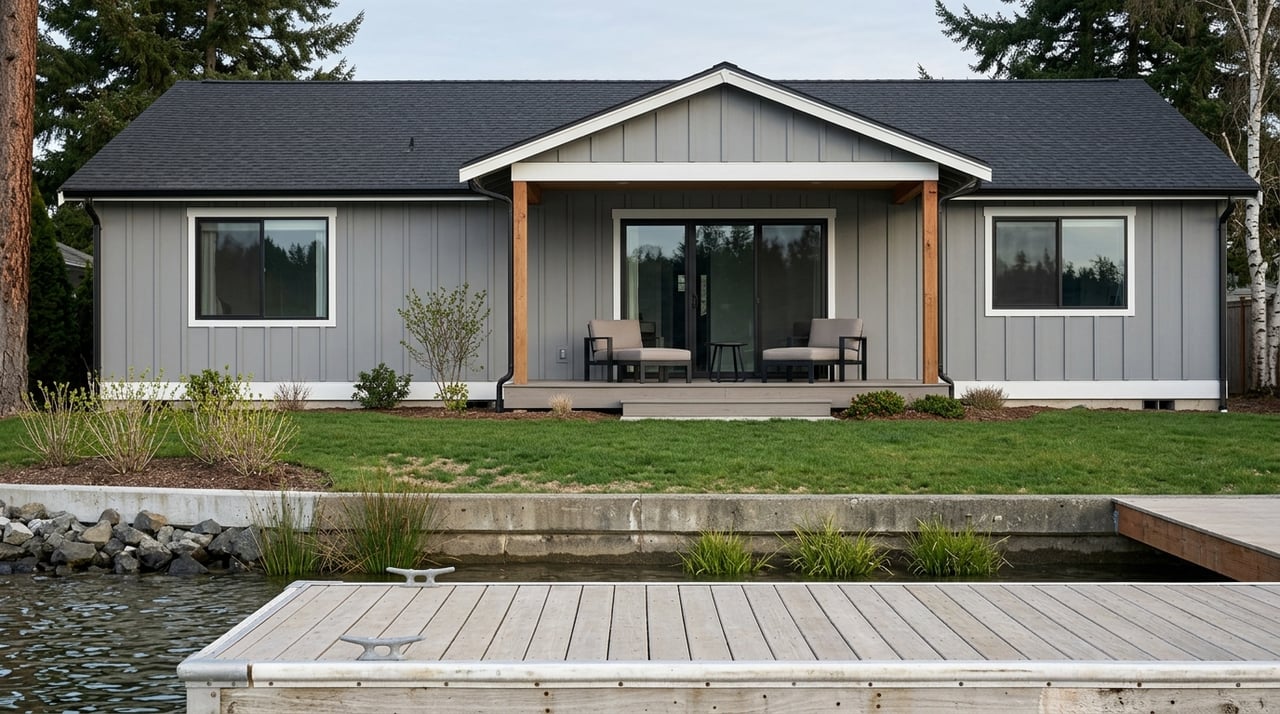
Wondering how to get the strongest possible price for your Post Falls waterfront home? Selling on the water is different from selling a typical property, because buyers are not just comparing square footage and finishes. They are also weighing views, shoreline access, outdoor living, and the overall Spokane River lifestyle. If you want to stand out and protect your bottom line, it helps to know what today’s market is responding to. Let’s dive in.
Why waterfront homes need a different strategy
In Post Falls, waterfront living is closely tied to the Spokane River. The city notes that Post Falls sits along the river, which connects to Lake Coeur d'Alene, and that boating and water recreation are a major part of local life. Public amenities like Black Bay Park and Q'emiln Park and the broader riverfront setting reinforce that buyers are often purchasing a lifestyle as much as a home.
That matters when you sell. A waterfront property should be marketed around how it lives, not just how it looks on paper. Your pricing, presentation, and marketing should highlight the relationship between the home and the water from the very first impression.
Price with waterfront comps, not city averages
One of the biggest mistakes sellers make is relying too heavily on broad market averages. In Post Falls, the wider market is active, but it is also price-sensitive. According to the city’s 2024 Housing Needs Analysis for 83854, there were 801 sold listings, a median sell price of $497,500, a median list price of $549,900, a 90.5% sell-to-list ratio, and 92 average days on market.
Those numbers are useful for context, but they do not tell the full story for a waterfront home. A riverfront property may command a premium, but only if buyers see clear value in the setting, access, views, and condition. That is why precise waterfront comparable sales matter more than citywide averages when you are aiming for top dollar.
Start with a realistic pricing plan
A strong sale often starts with disciplined pricing, not wishful pricing. Recent NAR seller data shows that recently sold homes had a median final sales price of 100% of the final listing price, while 36% of sellers reduced their asking price at least once. The same research also found that homes on the market for two weeks or less had a median of 100% of asking price, while longer market times generally led to larger discounts.
In practical terms, that means overpricing can cost you leverage. Buyers shopping waterfront homes are usually informed, and they tend to notice when a property lingers. The goal is to enter the market with a price that reflects the home’s true waterfront value while still creating urgency.
Showcase the water in every room
When buyers tour a waterfront home, they want to feel connected to the setting. The house should support the view, not compete with it. That means preparing the home so the water is visible and inviting from the moment someone walks in.
The National Association of Realtors reported in its 2025 home staging snapshot that 83% of buyers’ agents said staging made it easier for buyers to visualize a property. The same report found that 29% said staging increased the dollar value offered by 1% to 10%, and 49% said staging reduced time on market.
Focus on key spaces
The most commonly staged rooms were the living room, primary bedroom, and dining room. For a Post Falls waterfront listing, those spaces should direct attention outward whenever possible. If your best feature is the river view, every major room should help buyers notice it.
Simple staging moves that help
A few targeted updates can make a big difference:
- Remove heavy window coverings that block natural light or water views
- Simplify furniture layouts to create clean sightlines
- Keep decor minimal so buyers focus on the setting
- Stage decks, patios, or dock-adjacent areas as functional outdoor living spaces
- Make outdoor seating areas feel intentional and easy to imagine using
The goal is simple: help buyers picture themselves enjoying the waterfront lifestyle right away.
Market the lifestyle, not just the lot
Waterfront buyers are often emotionally driven, but they still expect clear information. They want the dream, and they want the details. Your listing should tell both stories.
Post Falls benefits from its river setting, recreation access, and connection to the larger North Idaho lifestyle. When buyers see proximity to boating, beaches, trails, and public riverfront amenities, they may better understand why a home is priced where it is. That is why lifestyle storytelling can support value when it is tied to verifiable local context.
Lead with what buyers care about most
For a Post Falls waterfront home, strong marketing should emphasize:
- Water views
- Shoreline setting
- Outdoor entertaining areas
- Boating or recreation context, when applicable
- The home’s connection to the Spokane River lifestyle
This is not about hype. It is about showing buyers how the property fits into the way they want to live.
Use digital marketing to reach serious buyers
If you want top dollar, professional digital presentation is not optional. NAR’s 2025 buyer research found that 43% of buyers first looked online for properties. Among buyers who used the internet, 83% rated photos very useful, 41% rated virtual tours very useful, and 29% rated videos very useful.
That matters even more for waterfront homes because many buyers form their first opinion before ever booking a showing. If your online presentation does not immediately show the shoreline, views, and outdoor spaces, you may lose interest before the property has a chance to compete.
What strong waterfront marketing should include
A high-impact launch should usually feature:
- Professional photography
- Drone images that show the home’s relationship to the water
- Video walkthroughs
- Floor plans
- Listing photos ordered to highlight shoreline and outdoor living early
At A-Team Real Estate, this kind of visual storytelling fits how waterfront buyers actually shop. It gives them the context they need and helps your property feel memorable.
Prepare for buyer questions early
Waterfront buyers tend to ask more technical questions than other buyers. If you can answer them early and clearly, you may reduce hesitation and strengthen confidence during negotiations.
Two of the most common concerns are flood exposure and shoreline rights. Kootenai County advises owners in a Special Flood Hazard Area, or those considering development there, to review county flood-hazard resources. The county also notes that its NFIP Community Rating System Class 7 can reduce flood insurance premiums by up to 15% in the unincorporated county.
Be ready to discuss waterfront details
Depending on your property, buyers may ask about:
- Flood-zone status
- Flood insurance history or requirements
- Dock or shoreline improvement permissions
- Access rights to the water
- Past repairs or maintenance related to the shoreline
For navigable lakes, the Idaho Department of Lands requires an encroachment permit before building a dock, marina, or shoreline stabilization project. Even when a buyer is drawn in by the view, practical questions can shape what they are willing to pay.
Make showings feel like an experience
A waterfront home should feel different the moment a buyer arrives. Clean walkways, tidy exterior spaces, and an uncluttered shoreline area can help the property show at its best. If weather allows, outdoor spaces should feel usable and welcoming, not like afterthoughts.
Inside, keep the experience calm and bright. Open blinds, maximize natural light, and reduce distractions so buyers can focus on the setting. A great showing helps them connect the home to the lifestyle they want, which can support stronger offers.
Negotiation matters after the first offer
Getting top dollar is not just about attracting attention. It is also about protecting value once offers come in. In a price-sensitive market, clear preparation and confident positioning can make a difference.
If you have already handled pricing carefully, staged the home to highlight the water, and prepared answers to common due-diligence questions, you are in a stronger position. Buyers are more likely to view the home as well-managed and worth serious consideration.
Why local waterfront guidance helps
Selling waterfront property involves more moving parts than many standard sales. Pricing is more nuanced, presentation is more visual, and buyer questions are often more technical. Having guidance from a team that understands waterfront and cross-border North Idaho transactions can help you avoid expensive missteps.
If you are thinking about selling, the right plan starts with understanding how your specific property fits today’s Post Falls market. From pricing and prep to digital presentation and negotiation, A-Team Real Estate offers relationship-first guidance designed to help you present your waterfront home with confidence. If you are ready to explore your next step, schedule a free consultation.
FAQs
What helps a Post Falls waterfront home sell for more?
- The biggest factors are accurate waterfront pricing, strong staging, professional digital marketing, and clear answers about waterfront details like access, flood exposure, and shoreline features.
Why should Post Falls waterfront homes use different comps?
- Broad city averages can provide context, but waterfront homes often need more precise comparison data because value is shaped by views, shoreline setting, and lifestyle features that standard homes may not have.
How important is staging for a waterfront home in Post Falls?
- Staging can be very important because it helps buyers visualize the home, supports sightlines to the water, and can make outdoor living spaces feel like part of the usable home experience.
What digital marketing works best for Post Falls waterfront listings?
- Professional photos, drone imagery, video walkthroughs, and floor plans tend to be especially helpful because buyers often begin their search online and want to understand the home’s relationship to the water right away.
What questions do buyers ask about Post Falls waterfront properties?
- Buyers often ask about flood-zone status, insurance, shoreline rights, water access, and whether permits may be needed for features like docks or shoreline improvements.