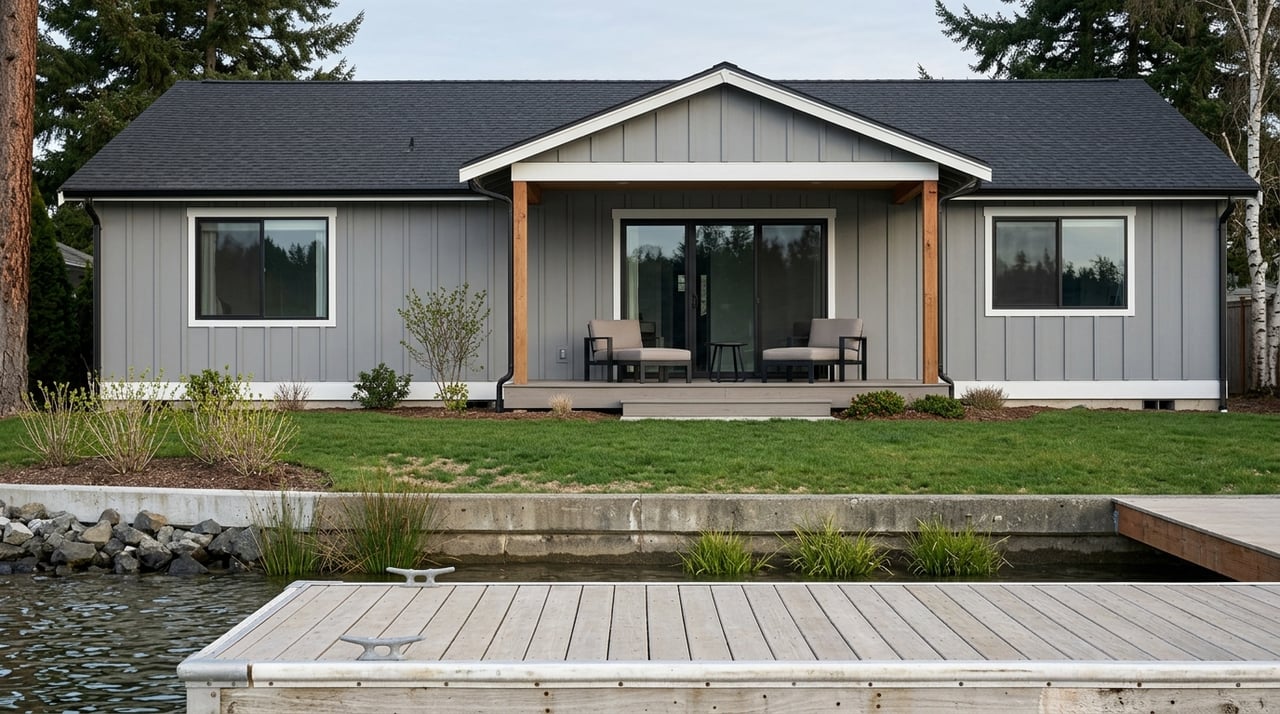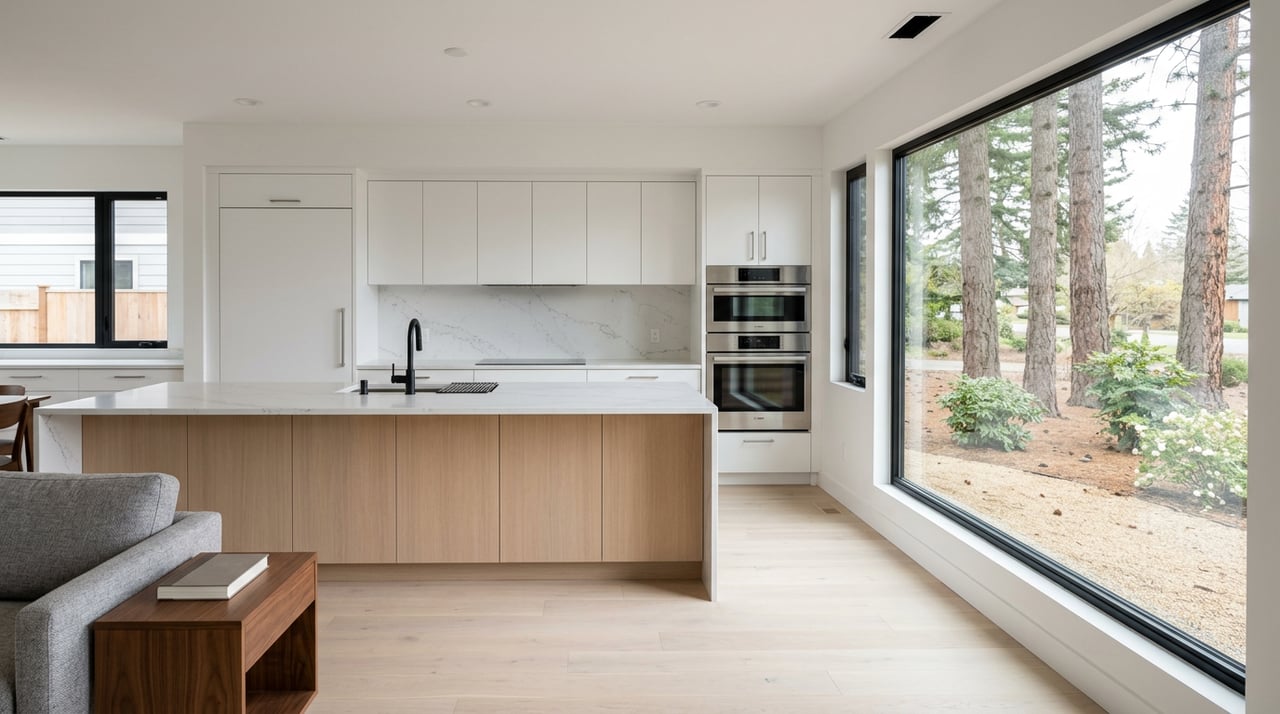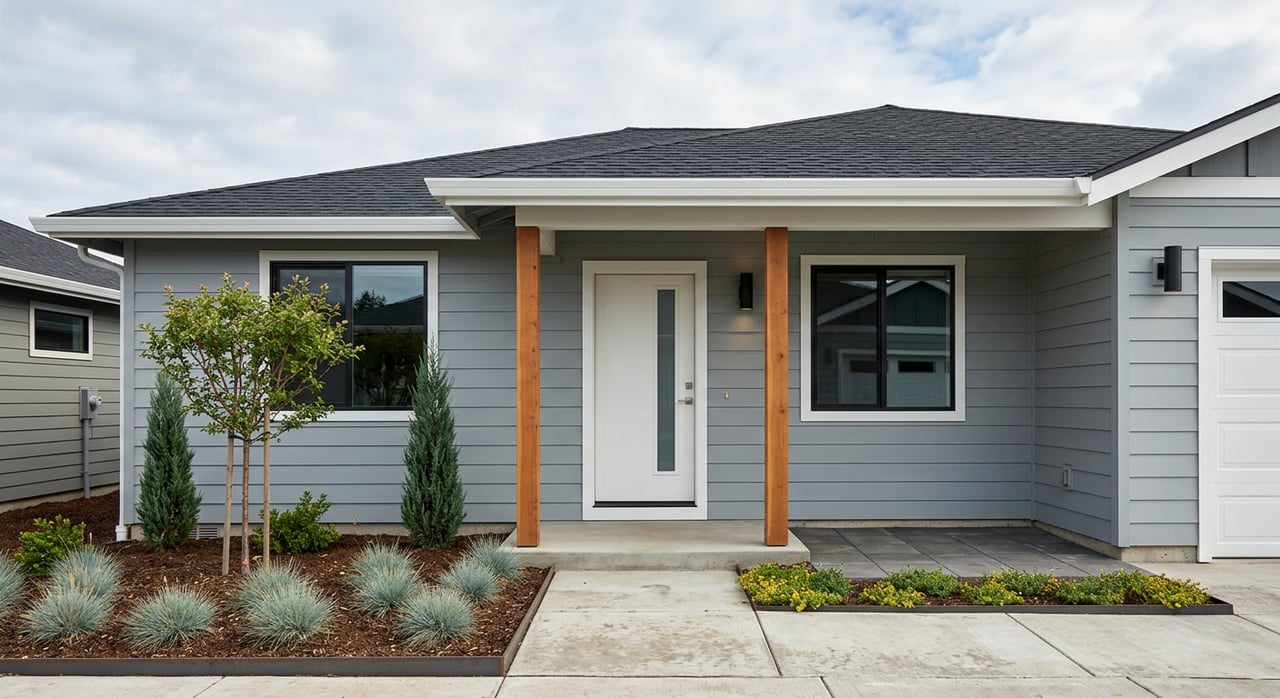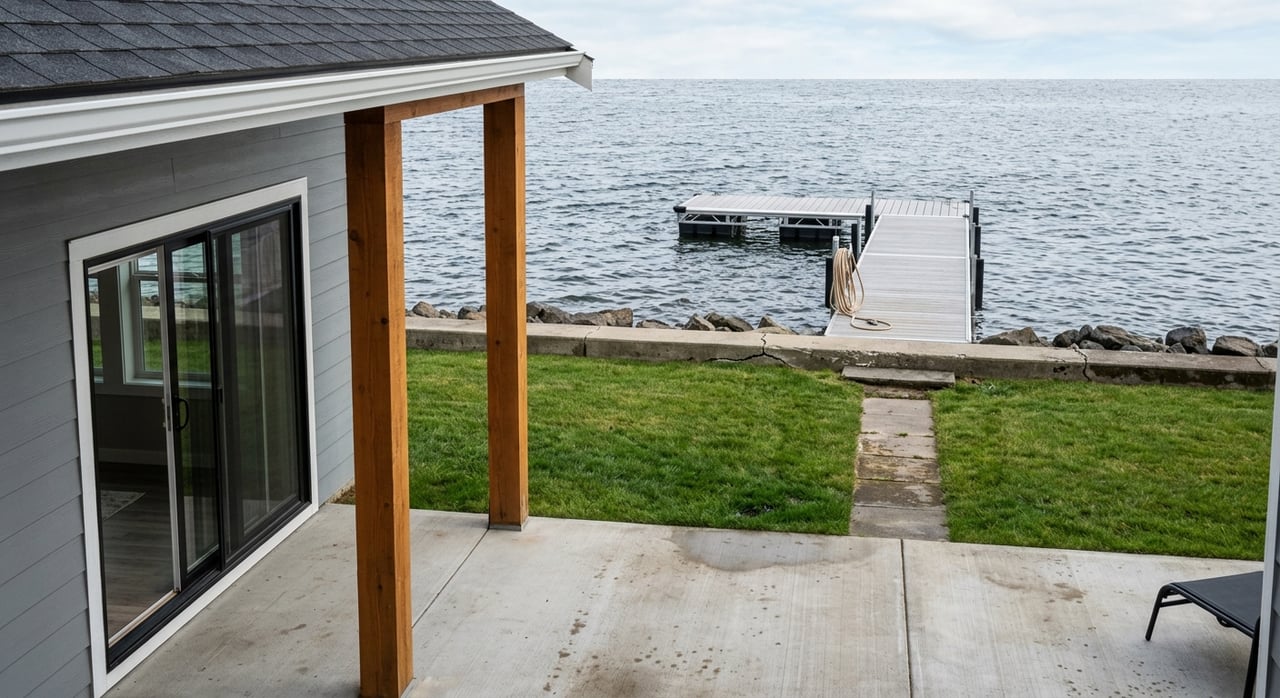
Thinking about waking up to lake views in Coeur d'Alene? Waterfront homes can offer an incredible lifestyle, but they also come with rules, costs, and seasonal factors that you do not want to discover after closing. If you are considering buying on or near the water, this guide will help you understand the key issues before you make an offer. Let’s dive in.
Why waterfront buying is different
Buying a waterfront home in Coeur d'Alene is not just about the house itself. You also need to understand shoreline rights, dock permits, seasonal water levels, and how financing and insurance may affect your monthly budget.
Lake Coeur d'Alene has about 135 miles of shoreline, and water conditions can shift through the year. According to Avista’s lake level overview, the lake sits at natural levels in winter and early spring, then is managed in summer and fall. That means beach access, moorage, and dock clearance can look very different depending on the season.
Check shoreline jurisdiction first
One of the first things to confirm is who regulates the shoreline for the specific property you want to buy. On some parcels, the Idaho Department of Lands oversees encroachments like docks and shoreline stabilization. On others, especially within the reservation boundary, the Coeur d'Alene Tribe’s shoreline program may apply.
The Idaho Department of Lands encroachment guidance explains that a permit is required before building structures such as docks, marinas, or shoreline stabilization on a navigable lake. The same source also notes that permitting can differ depending on the exact location, and the tribe oversees Tribal Waters and submerged lands within the reservation boundary.
This matters because shoreline ownership is more than a legal technicality. It can affect whether an existing dock is properly permitted, whether work can stay in place after closing, and what process you will need to follow if you want to make changes later.
Understand dock permit transfer rules
A dock does not always transfer as automatically as buyers expect. If a property has an existing encroachment permit through Idaho Department of Lands, the permit may need to be formally assigned to the new owner.
According to the IDL assignment handout, buyers and sellers need a Request for Assignment form and a $300 fee for transfer of an existing encroachment permit. The permit also must be recorded with the county to be valid and eligible for assignment, and assignments are typically processed in 1 to 2 months.
That timeline is important during escrow planning. If the dock or shoreline improvements do not match the existing permit, the buyer may become responsible for correcting violations after closing.
Tribal Waters have different rules
If the property is on Tribal Waters, the rules are different. The Coeur d'Alene Tribe shoreline protection program says encroachments require both a permit and lease, including pre-existing structures and repairs.
The tribe also states that ownership transfer paperwork must be submitted within 30 days of transfer, and review may take up to 90 days. In addition, permit numbers stay with the property and do not move with the encroachment, which is another reason to verify everything early in the process.
Do not assume an easement means dock rights
This is one of the easiest mistakes to make with waterfront property. A shared access point, shoreline easement, or informal use arrangement does not necessarily mean you have a permanent right to a dock.
The Coeur d'Alene Tribe code makes clear that on tribal shoreline, an easement by itself does not create dock rights. In general, only waterfront property owners are eligible for encroachment permits, though some association-owned docks can be transferred to the association as the permit holder.
For you as a buyer, the lesson is simple. If dock access is important, ask for documentation that clearly shows the legal basis for that use and whether it is transferable.
Review HOA documents and recorded restrictions
Some waterfront communities include shared amenities, common shoreline areas, or private road maintenance. If the home is in an HOA, you will want to review dues, rules, and any recorded restrictions before you commit.
The Consumer Financial Protection Bureau notes that HOA dues are usually paid directly to the association and are not included in the mortgage payment. Depending on the community, these dues can range from a few hundred dollars a month to more than $1,000.
Beyond dues, title exceptions, easements, covenants, conditions, restrictions, and other recorded encumbrances can control shoreline use, shared access, and maintenance obligations. That paperwork may be just as important as the home inspection.
Plan for seasonal water changes
A waterfront home can show very differently in July than it does in March. A listing photo may capture the property at its most attractive moment, but your actual experience will vary with the lake.
According to Avista, Lake Coeur d'Alene is at natural levels roughly January through June and is controlled during summer and fall. Runoff and dam operations can change access conditions, shoreline appearance, and the practical use of docks and beaches.
If possible, compare seasonal photos, ask how the property performs during both high- and low-water periods, and look closely at how usable the shoreline is throughout the year. This can help you avoid surprises after move-in.
Budget for flood insurance early
Financing a waterfront home often means paying closer attention to flood risk and insurance. This is one of the biggest differences between buying a waterfront property and buying a more typical inland home.
FloodSmart explains that homes in Special Flood Hazard Areas with government-backed mortgages must carry flood insurance. The same source also notes that some lenders require flood insurance even outside high-risk areas, and standard homeowners insurance does not cover flood damage.
There is also a timing issue. NFIP policies typically have a 30-day waiting period unless coverage is tied to a mortgage requirement or map change. If you wait too long to get quotes or confirm requirements, closing can become more stressful.
A local Kootenai County factor
Parcel location matters here. Kootenai County flood hazard information states that the county is a Class 7 Community Rating System community, and policyholders in unincorporated areas may receive up to 15% savings on flood premiums.
That does not mean every property will qualify for the same cost. It does mean that exact location and flood-zone status can make a real difference in your ongoing budget.
Go beyond the standard home inspection
Many buyers assume a general inspection covers everything. On waterfront property, that can leave major gaps.
The InterNACHI standards of practice explain that general home inspections do not have to inspect docks, seawalls, breakwalls, erosion-control measures, wells or springs, or septic systems. InterNACHI also notes that dock inspections are limited to readily visible above-water portions, and septic inspections are outside the scope of a standard home inspection.
If the property has shoreline structures, a septic system, or a private well, you may need separate specialists. This is especially important if you plan to use the home full-time or invest in improvements after closing.
Know your permit path for future projects
If you are already imagining updates, it is smart to look into permit rules before you buy. A remodel, shoreline repair, or new outbuilding may involve a different process depending on whether the property is in the city or in unincorporated county areas.
The City of Coeur d'Alene permit page says building permits are required when constructing, altering, or repairing a building, and inspections must be scheduled in advance. In unincorporated Kootenai County, projects may require a location permit and flood development review if the site is in a floodplain.
That is another reason to think beyond the current condition of the home. The right property for you is not just one that works today, but one that can support your plans tomorrow.
Waterfront buying checklist
Before you move forward on a Coeur d'Alene waterfront home, make sure you have answers to these questions:
- Who regulates the shoreline for this parcel, Idaho Department of Lands or the Coeur d'Alene Tribe?
- Is every dock, shoreline feature, or water-related structure properly permitted?
- Can the existing permit be assigned or transferred, and what is the timeline?
- Do recorded easements or HOA documents limit access, maintenance, or shoreline use?
- How does the property function during different lake levels and seasons?
- Is flood insurance required, and what will it cost?
- Do you need separate inspections for dock structures, septic, well, or erosion concerns?
- Will your planned future improvements require city, county, or shoreline permits?
Common mistakes to avoid
A few issues come up again and again with waterfront purchases in Coeur d'Alene. The good news is that most of them can be avoided with careful review upfront.
Watch out for these common mistakes:
- Assuming an existing dock transfers automatically without assignment or tribal transfer paperwork
- Assuming a shoreline easement automatically includes dock rights
- Waiting too long to quote flood insurance or ask lender questions
- Relying only on a standard home inspection for waterfront systems and structures
- Forgetting to budget separately for HOA dues
Buying on the water can be incredibly rewarding when you go in with clear expectations. With the right guidance, you can look past the postcard view and focus on what really matters: legal access, long-term usability, and a budget that fits your goals.
If you are exploring waterfront homes in Coeur d'Alene and want a team that understands the details behind the lifestyle, connect with A-Team Real Estate. We’re here to help you navigate the process with clarity, care, and local insight.
FAQs
What should you verify before buying a waterfront home in Coeur d'Alene?
- You should verify shoreline jurisdiction, dock or encroachment permits, transfer rules, seasonal water conditions, flood insurance needs, and any HOA or title restrictions affecting access and use.
Does a dock automatically transfer with a waterfront property in Coeur d'Alene?
- No. A dock or other encroachment may require formal assignment through Idaho Department of Lands or ownership transfer paperwork through the Coeur d'Alene Tribe, depending on the parcel.
Do shoreline easements include dock rights in Coeur d'Alene?
- Not necessarily. On tribal shoreline, an easement by itself does not create dock rights, so you should review the legal documents tied to the property.
Is flood insurance required for waterfront homes in Coeur d'Alene?
- It may be. Homes in Special Flood Hazard Areas with government-backed mortgages must carry flood insurance, and some lenders may require it even outside high-risk areas.
Does a standard home inspection cover docks and septic systems for Coeur d'Alene waterfront homes?
- No. General inspections may not include docks, seawalls, erosion-control features, wells, springs, or septic systems, so separate specialists may be needed.
Do HOA dues get included in a mortgage payment for Coeur d'Alene waterfront homes?
- Usually not. HOA dues are typically paid directly to the association and should be budgeted separately from your monthly mortgage payment.