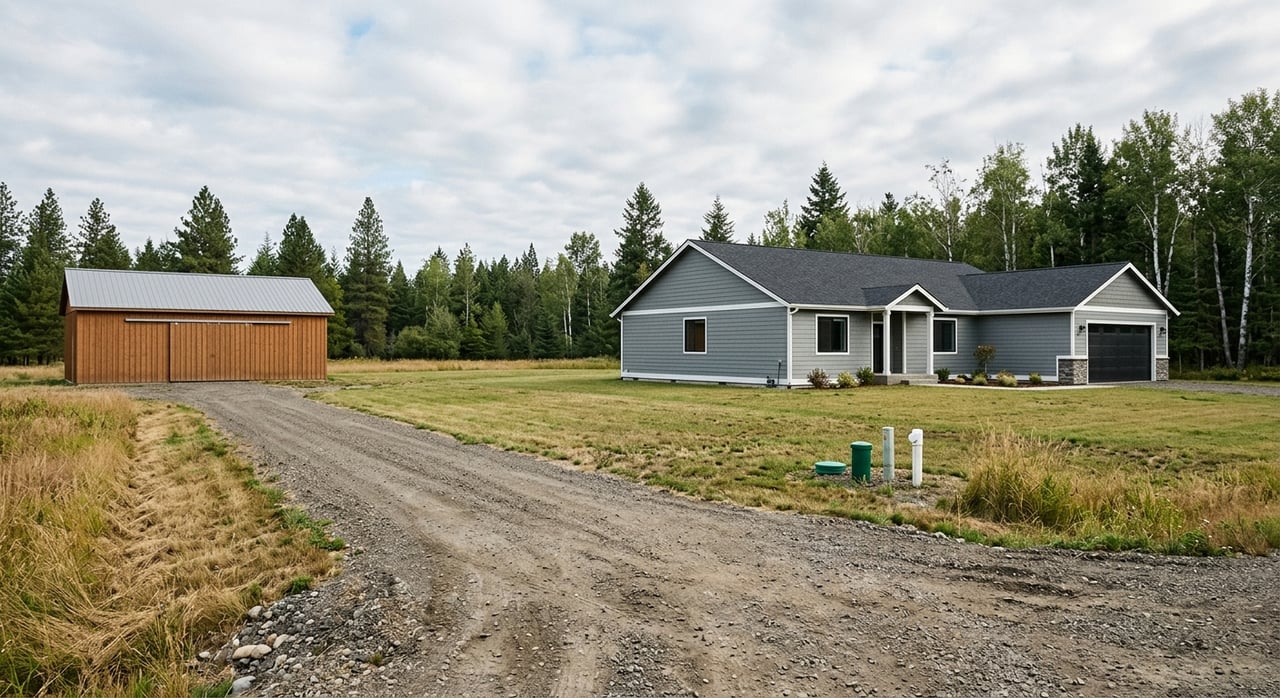
If you are dreaming about more space, a shop, a garden, or room to spread out, buying acreage around Rathdrum can feel like the perfect next move. It can also come with more moving parts than a typical in-town purchase, especially when you are looking at wells, septic systems, easements, and land-use rules. This guide will help you focus on the details that matter most so you can buy with more clarity and confidence. Let’s dive in.
Why Rathdrum Acreage Draws Buyers
Rathdrum offers a mix of open land, rural character, and close access to North Idaho destinations, which is one reason so many buyers are paying attention to the area. U.S. Census QuickFacts estimates Rathdrum’s population at 12,626 in July 2024, up from 9,211 in 2020.
That growth matters when you shop for acreage. Kootenai County describes the area as a mix of urban land, rural land, forest land, and agricultural land, with strong demand that contributes to some of Idaho’s highest property values. In other words, acreage around Rathdrum can offer lifestyle value, but it also requires careful due diligence.
Start With Your Land Goals
Before you tour properties, get specific about how you want to use the land. A parcel that works well for a future shop and garden may not fit the same way for timber use, animals, or a new custom build.
Your intended use affects almost everything, including zoning, outbuilding options, open-space requirements, water needs, and potential tax treatment. When you know your priorities early, it becomes much easier to rule properties in or out.
Common acreage goals
- Build a primary home with privacy
- Add a shop or accessory building
- Create space for gardening or small-scale agricultural use
- Purchase timbered land with long-term management in mind
- Find room for equipment, RV storage, or hobby use
Check Zoning and Parcel Standards First
One of the first things to confirm is how the parcel is zoned and whether the lot size supports your plans. In Kootenai County, the Rural Zone is intended for rural residential uses and uses related to agricultural pursuits, including farming and forestry.
According to the county land use code, the Rural Zone has a five-acre minimum parcel size. The same code also states that parcels of five acres or more must keep 65% of the parcel as open space free from structures. Accessory buildings may be allowed, and one personal storage building may be permitted before the primary use is established, based on the county code provisions in Ordinance No. 493.
That is why two parcels with the same acreage can function very differently. The usable building area, setbacks, slope, and site constraints all shape what is practical on the ground.
Water Matters on Rathdrum Acreage
Water is one of the biggest issues to evaluate on rural property, and around Rathdrum it deserves extra attention. The Rathdrum Prairie Aquifer underlies about 250 square miles in Idaho and serves as the primary source of drinking and irrigation water for the Rathdrum Prairie.
Idaho DEQ classifies it as a sensitive resource aquifer. That means land-use decisions tied to wells, septic systems, and runoff are not minor details. They are central to whether a site fits your plans.
What to ask about a well
If a property uses a private well, do not assume the water quality has already been confirmed. Idaho DEQ states that private well owners are responsible for testing their water and recommends annual testing for nitrate and coliform bacteria in its drinking water FAQs.
For buyers, that means recent water testing should be part of your due diligence. It is also helpful to ask for the well log, production details if available, and any maintenance history the seller has.
Septic Can Make or Break Feasibility
On many acreage properties, septic is just as important as the house itself. If the parcel is vacant or if you are planning major improvements, septic feasibility should be one of your earliest checkpoints.
Idaho DEQ says septic system design depends on factors like soil type, slope, proximity to water bodies, and local regulations. DEQ also notes that buyers should have a site evaluation completed through the public health district and work with a licensed septic installer before buying property and applying for a permit, as outlined on its septic and septage information page.
Panhandle Health District adds another practical point: septic permits are valid for one year, and applications are not approved until plot plan and application issues are addressed. You can request septic records through the Panhandle Health District septic permits and records page.
Septic red flags to watch
- No septic permit history available
- Old records that do not match current improvements
- Sloped sites with limited suitable drainfield area
- Parcels near surface water or wetlands
- Sites with shallow groundwater concerns
Sensitive Areas Can Limit Use
Some acreage looks wide open at first glance, but county environmental rules can affect where and how you build. Kootenai County’s planning guidance highlights water-quality concerns when site disturbance is involved and points buyers toward Panhandle Health District for septic questions and DEQ for community water system questions.
The county code treats several types of land as sensitive areas, including land within 300 feet of wetlands, streams, lakes, or other surface water, land where the water table is within 6 feet of the surface, and slopes of 25% or greater. You can review those planning considerations through the county’s Planning Department page.
If the parcel sits over the Rathdrum Prairie Aquifer, the stakes are even higher. County code states that extensive subsurface wastewater disposal in that area can threaten public health through aquifer contamination, which is why compliance with DEQ and Panhandle Health rules is so important.
Access and Easements Need Proof
Acreage buyers often focus on the driveway they can see, but legal access is what really matters. In Kootenai County, every residential lot must have access from a public or private road, and newly constructed private roads and driveways must meet fire-code and local standards under the county access code.
The Rural Zone also requires at least 75 feet of street frontage on a public street. Beyond that, county subdivision standards call for private-road easements of at least 60 feet and common-driveway easements of at least 40 feet, according to county code and land development standards.
Access questions to answer
- Is access legal and recorded?
- Is the road public, private, or shared?
- Who maintains the road or driveway?
- Is there a recorded easement?
- Will your lender or insurer want additional documentation?
For recorded documents, the Kootenai County Recorder’s Office allows searches by party name, instrument number, or legal description. That can help verify easements, surveys, and other recorded title items tied to the parcel.
Evaluate the Whole Property System
With acreage, it helps to think beyond the home itself. The value of the property often depends on how the land, utilities, access, and intended use work together.
For example, a parcel may have enough acreage for your goals, but if the building area is limited by slope, septic constraints, or sensitive-area setbacks, your options may narrow fast. A property with pasture, timber, or existing outbuildings should be reviewed as one connected system, not a collection of separate features.
Understand Agricultural and Timber Exemptions
Some buyers ask whether acreage can qualify for agricultural or timber-related tax treatment. Kootenai County makes clear that these classifications depend on actual qualifying use, not simply owning land with pasture or trees.
For the county’s agricultural exemption, land must be actively devoted to agriculture as part of a bona fide for-profit enterprise. The county notes that horses or other animals kept mainly for personal use or pleasure do not count.
Timber is handled separately. Under the county’s timber exemption guidance, qualifying parcels need at least five contiguous fully stocked acres, a forestland management plan prepared or reviewed by a qualified forester, and land held primarily for the continuous growth and harvest of marketable species.
These rules are one reason it is smart to avoid making assumptions based on a listing description alone. If tax treatment matters to you, ask for the documentation and verify how the parcel is currently classified.
A Simple Due Diligence Checklist
When you are serious about a property, a clear checklist can save time and reduce surprises. Kootenai County resources and Panhandle Health records are some of the most useful tools for verifying acreage details.
What to confirm before you buy
- Zoning and parcel size
- Street frontage and legal access
- Recorded easements and rights-of-way
- Road maintenance responsibility
- Well log and recent water test results
- Septic permit, site plan, and as-built if available
- Survey and parcel boundaries
- Whether the land is in a sensitive area
- Whether the parcel lies over the Rathdrum Prairie Aquifer
- Any agricultural or timber exemption paperwork
If you are planning new construction or major site work, also ask whether permits may be required for grading, excavation, storm drainage, or runoff control. Those details can affect your timeline and budget.
Why Local Guidance Helps
Buying acreage around Rathdrum is not just about finding the right view or the right number of acres. It is about understanding how access, water, septic, zoning, and land use fit together before you commit.
That is where experienced guidance can make a real difference. When you work with a team that understands acreage properties, rural systems, and North Idaho transaction details, you can move forward with a clearer plan and fewer unknowns.
If you are thinking about buying acreage around Rathdrum, A-Team Real Estate can help you evaluate land, ask better due diligence questions, and find a property that truly fits your goals.
FAQs
What should you check first when buying acreage around Rathdrum?
- Start with zoning, parcel size, legal access, and whether the land has well and septic documentation that supports your intended use.
Why is the Rathdrum Prairie Aquifer important for acreage buyers?
- The aquifer is the primary source of drinking and irrigation water for the area, and its sensitive status makes wells, septic systems, and runoff concerns especially important during due diligence.
How do you verify easements on acreage property in Kootenai County?
- You can review recorded documents like easements, surveys, and legal descriptions through the Kootenai County Recorder’s Office.
Can acreage in Kootenai County automatically qualify for an agricultural exemption?
- No. The county requires land to be actively devoted to qualifying agricultural use as part of a bona fide for-profit enterprise, and personal-use animals do not qualify.
Do vacant acreage parcels around Rathdrum always have septic approval?
- No. Septic feasibility depends on factors like soil, slope, water proximity, and local rules, so buyers should confirm permit history and site evaluation details before moving forward.