Wondering whether Deer Park is the right place to buy a brand-new home or a piece of land for your future build? If you want more space, a small-town feel, and easier access to outdoor recreation while staying within reach of Spokane, Deer Park deserves a closer look. The good news is that you have more than one path here, and each one comes with different benefits, timelines, and due diligence. Let’s dive in.
Why Deer Park draws buyers
Deer Park sits about 20 miles north of Spokane, which gives you a little breathing room without feeling disconnected from the city. Deer Park describes itself as a small community with parks, an 18-hole golf course, an RV park, a general aviation airport, and nearby access to lakes, mountains, and ski areas.
The city is also planning for growth. Its long-range planning projects a 2046 population of 6,290, with an emphasis on balancing development needs with community character and quality of life. For you as a buyer, that can signal a market where new homes and land opportunities may continue to evolve over time.
Deer Park also has a strong local identity that goes beyond housing. Community events such as the Deer Park Market, Pumpkin Lane, WinterFest, the Summer Concert Series, and Settlers Day help shape the feel of the area year-round.
Three main Deer Park options
If you are exploring new construction and land in Deer Park, you will generally find three distinct paths. The right fit depends on how much customization you want, how comfortable you are with timelines, and whether you prefer city services or a more rural setup.
Move-in-ready spec homes
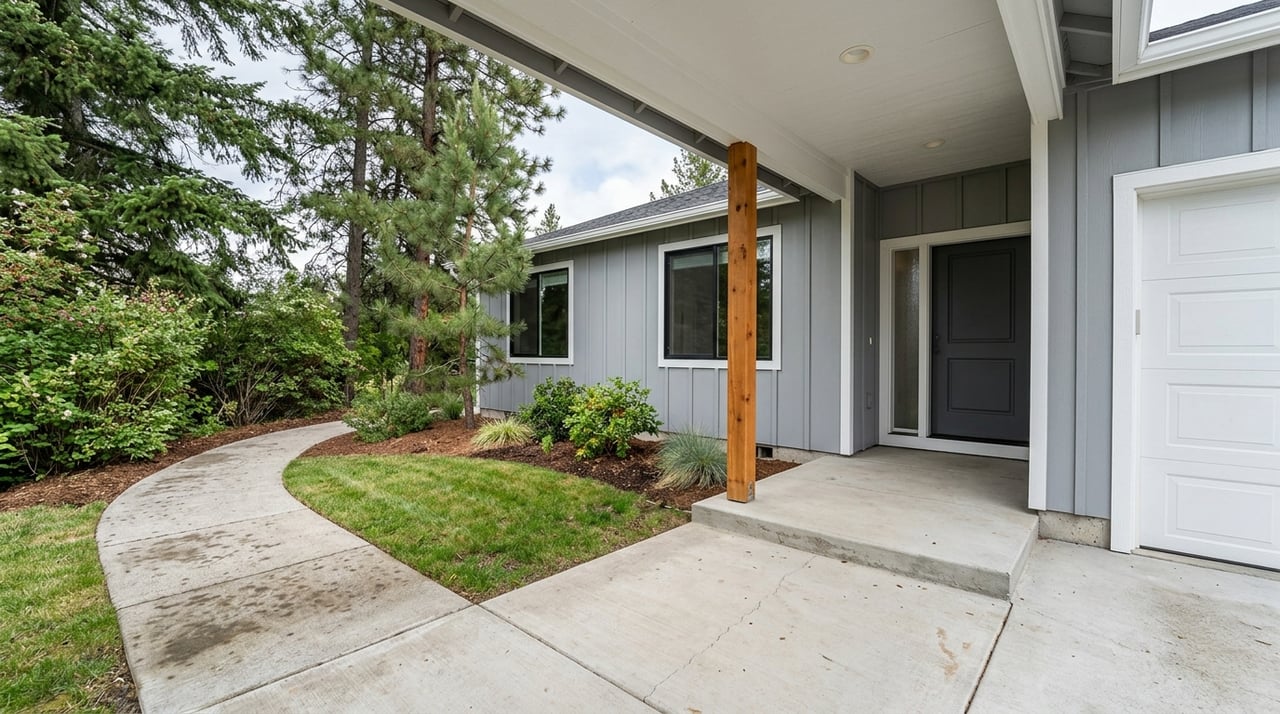
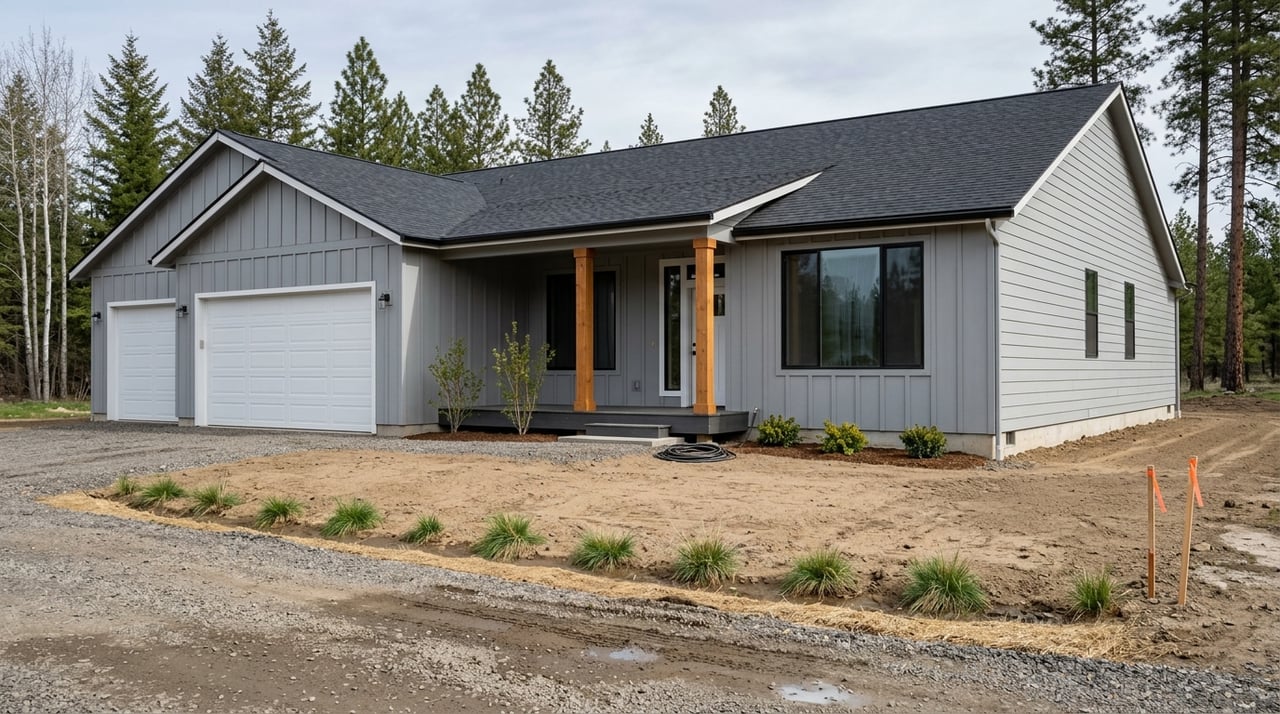
A spec home is often the most straightforward option. You get the appeal of new construction without taking on every step of the land search, design process, and permit timeline yourself.
This route can be especially helpful if you want a newer home but do not want to manage decisions around parcel layout, utilities, and build approvals. In Deer Park, that simpler path can save you time because much of the land and permit work has already been handled before the home hits the market.
In-town lots and semi-rural parcels
Inside city limits, Deer Park provides water and sewer to the majority of homes. The city also has its own Building & Planning department and online permit portal, which matters if you are looking at a lot where you plan to build.
Deer Park’s planning framework also allows for some flexibility. The city’s comprehensive plan states that the R-1A designation preserves a suburban and semi-rural character and supports single-family homes, manufactured housing, and agricultural activities. That can make Deer Park appealing if you want a little more room and a less tightly built environment than some purely suburban markets.
Larger acreage for custom builds
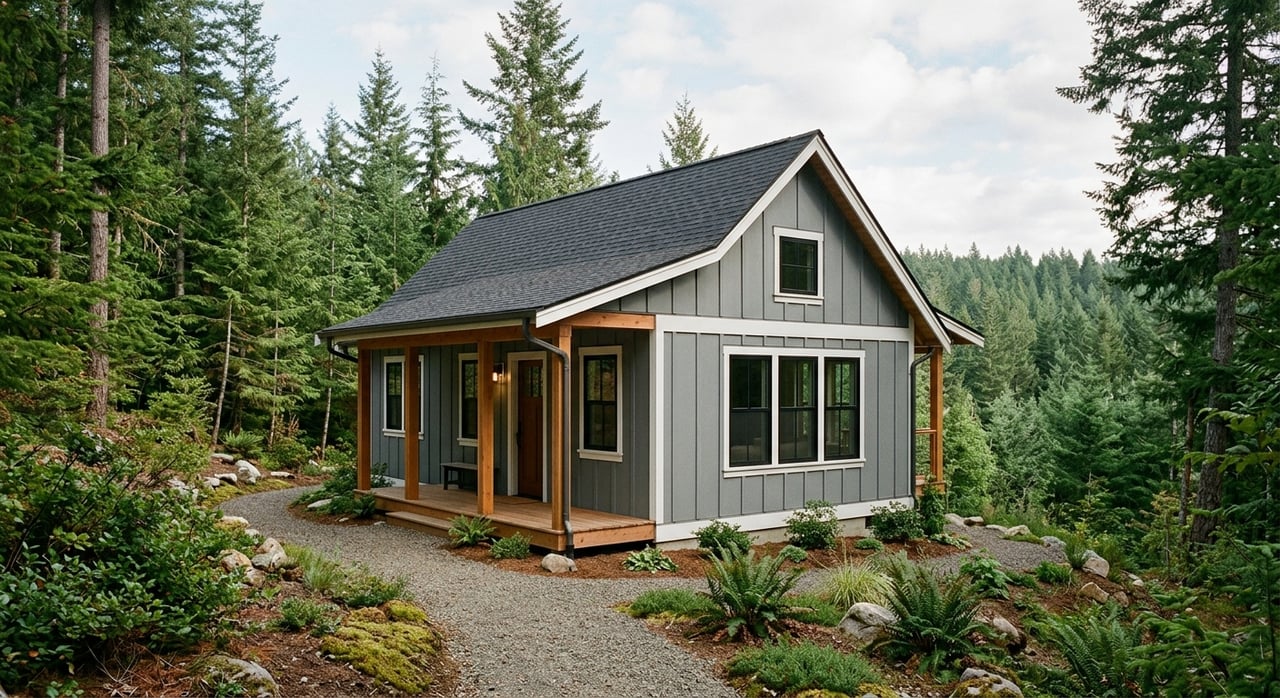
If your goal is more land, privacy, or space for a custom home, Deer Park offers a different kind of opportunity. Spokane County’s 2026 land-capacity work identifies 341.15 acres of rural land in the Deer Park JPA, mostly Rural Traditional with a smaller Urban Reserve share.
County code says Rural Traditional is intended for large-lot residential and resource-based uses, while Urban Reserve is preserved for future urban expansion. For you, that means acreage opportunities may exist, but the land’s designation can affect how it may be used now and in the future.
How to choose the right path
The best Deer Park option often comes down to your priorities. A quick side-by-side comparison can help you narrow your search.
| Option | Best for | Main advantage | Main consideration |
|---|---|---|---|
| Spec home | Buyers who want convenience | Faster path to a new home | Less customization |
| In-town lot | Buyers who want a new build with city services | Access to city water and sewer for most homes | You still need to confirm lot-specific build details |
| Larger acreage | Buyers who want privacy, space, or a custom build | More land and rural lifestyle potential | More due diligence around zoning, water, and septic |
What to verify before you buy land
Raw land can be exciting, but it usually requires more homework than an existing home. In Deer Park, a buildable parcel is not just about size or price. You also need to understand who regulates it, how utilities will work, and whether the legal lot setup supports your plans.
Confirm city or county jurisdiction
This is one of the first things to verify. Spokane County tells applicants to confirm whether a homesite is in county jurisdiction before applying for a permit, while Deer Park’s city-side building pages handle building and utility questions for parcels within city oversight.
That one detail affects where you ask questions, what forms you need, and how your process may unfold. It is especially important when a property is near the edge of city limits or in an area that feels tied to Deer Park but falls under county review.
Review parcel layout and lot status
Deer Park posts forms for preliminary short and long subdivisions, lot-line adjustments, variances, and zone changes. That matters because some parcels need more than a house plan before they are ready for construction.
The shape of the lot, legal lot configuration, and access can all affect whether a build is realistic. If a parcel needs to be split or adjusted, that can add time and complexity to your plan.
Check utilities early
Inside city limits, Deer Park says city water and sewer serve most homes. The city also identifies Avista as the main gas and electric provider, with Inland Power serving a few homes for electricity only.
For builders, Deer Park also offers construction water meters and a bulk water station. These are practical details, but they matter when you are budgeting and planning a build timeline.
Understand private well and septic needs
If you are buying larger acreage or land outside the city service area, water and septic should move to the top of your checklist. Spokane Regional Health District completes water-adequacy reviews before building permits are issued for projects using a private water system, and it also inspects a portion of new wells in Spokane County.
Its on-site sewage program covers new septic systems and system changes. In other words, if your parcel will rely on a private well or septic, you want those conversations early, not after closing.
Watch for watershed rules
Some parcels in the Little Spokane watershed may face additional water-right or mitigation rules for private wells. That does not mean the land will not work for your plans, but it does mean parcel-specific verification is important before you commit.
This is one reason acreage buyers often benefit from careful, early due diligence. The property may look perfect on paper, but the feasibility details are what turn land into a realistic homesite.
What the permit process usually looks like
The exact process depends on the parcel and whether it falls under city or county review, but the local framework is fairly clear. Knowing the broad steps can help you set expectations.
1. Identify the regulating authority
Start by confirming whether the parcel is under Deer Park or Spokane County jurisdiction. This determines where you will ask permit questions and submit applications.
2. Prepare a complete application
Spokane County says permit processing does not begin until all required PDF submittal items are uploaded. For residential projects, the county’s online portal includes permit types such as new dwellings, footing and foundation only, manufactured home placement, and accessory structures.
3. Address water and septic requirements
If your project uses a private water system or septic system, those reviews need to happen early. This step can shape your build schedule, your site plan, and even your decision to move forward with a parcel.
4. Track permit timing
Spokane County says building permits expire three years after issuance, with one possible extension of up to 180 days if requested before expiration. If you are building on land, that is an important timeline to keep in mind.
Deer Park lifestyle factors to weigh
A land or new construction purchase is never just about the house. It is also about how you want to live day to day.
Deer Park offers a mix of practical amenities and outdoor access. The parks system includes Mix Park, Swinyard Park, Country Club Park, Deer Park Meadows Park, Perrins Field, and more than 400 acres of forest land at the airport property for hiking, equestrian use, snowshoeing, and cross-country skiing.
The airport is another notable local feature. Deer Park’s airport supports based aircraft, flight schools, maintenance services, and seasonal fire-tanker use, which gives the area a distinct local character.
For some buyers, the appeal is the balance. You can look for a newer home or build site in a community with room to grow, access to recreation, and a pace that feels different from a denser urban setting.
A smart way to approach Deer Park property
If you want the easiest route, focus on spec homes or lots already tied to clear city services. If you want more flexibility, semi-rural in-town parcels may give you a middle ground between convenience and space.
If your dream is a custom home on acreage, Deer Park can offer that too, but the path usually requires deeper research into zoning, utilities, wells, septic, and parcel configuration. That extra work is often worth it when the property fits your long-term lifestyle goals.
Whether you are comparing brand-new homes, looking at semi-rural lots, or trying to understand raw land potential, having local guidance can make the process much clearer. If you want help sorting through Deer Park opportunities, reach out to A-Team Real Estate for a free consultation.
FAQs
What types of new construction options are available in Deer Park?
- Deer Park generally offers three paths: move-in-ready spec homes, in-town or semi-rural lots for building, and larger acreage for custom homes.
What should you verify before buying land in Deer Park?
- You should confirm whether the parcel is under city or county jurisdiction, review the legal lot setup and access, and check utility, well, and septic requirements before closing.
Does Deer Park have city water and sewer for new homes?
- Deer Park says city water and sewer serve the majority of homes inside city limits, but you should still verify service availability for the specific parcel you are considering.
What is important to know about private wells in the Deer Park area?
- For parcels using private water systems, Spokane Regional Health District handles water-adequacy review before building permits are issued, and some parcels in the Little Spokane watershed may face additional well-related rules.
How does the Deer Park permit process work for a new build?
- The process usually starts with confirming city or county jurisdiction, then submitting a complete application package, addressing water and septic requirements, and tracking permit timelines.
Why do some buyers choose Deer Park for a custom build?
- Many buyers are drawn to Deer Park for its mix of space, semi-rural character, outdoor access, and proximity to Spokane, along with options ranging from city-served lots to larger acreage.