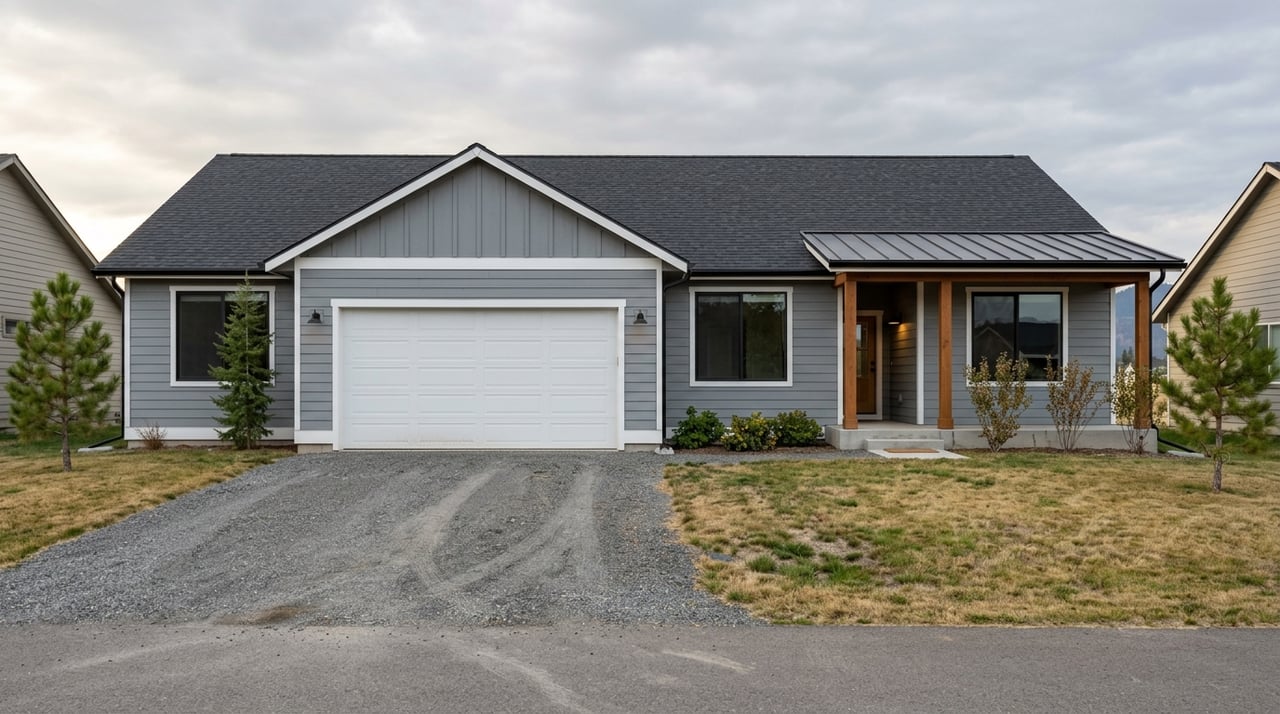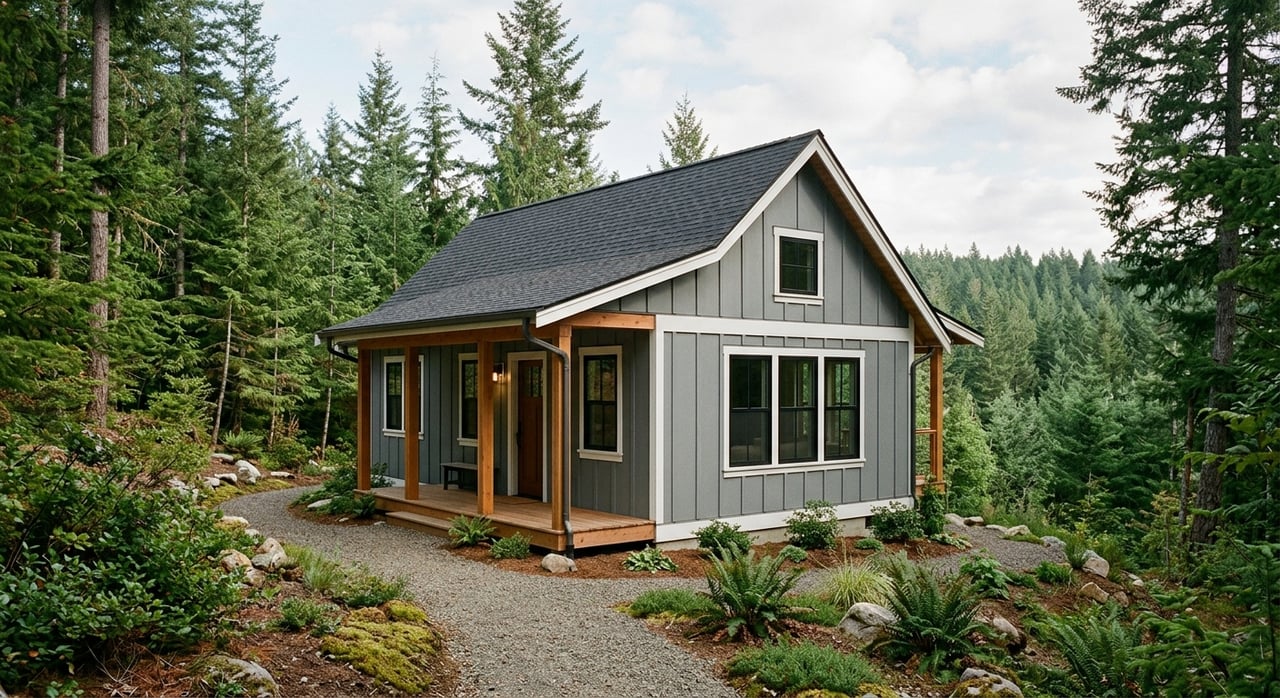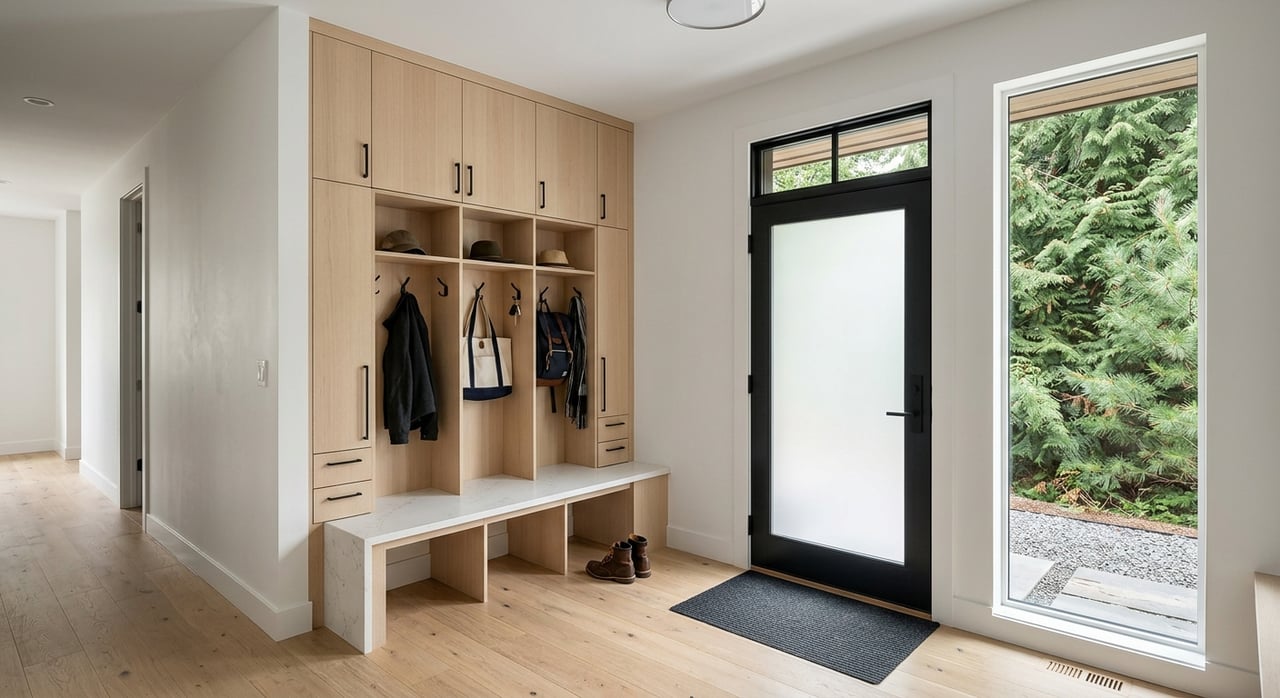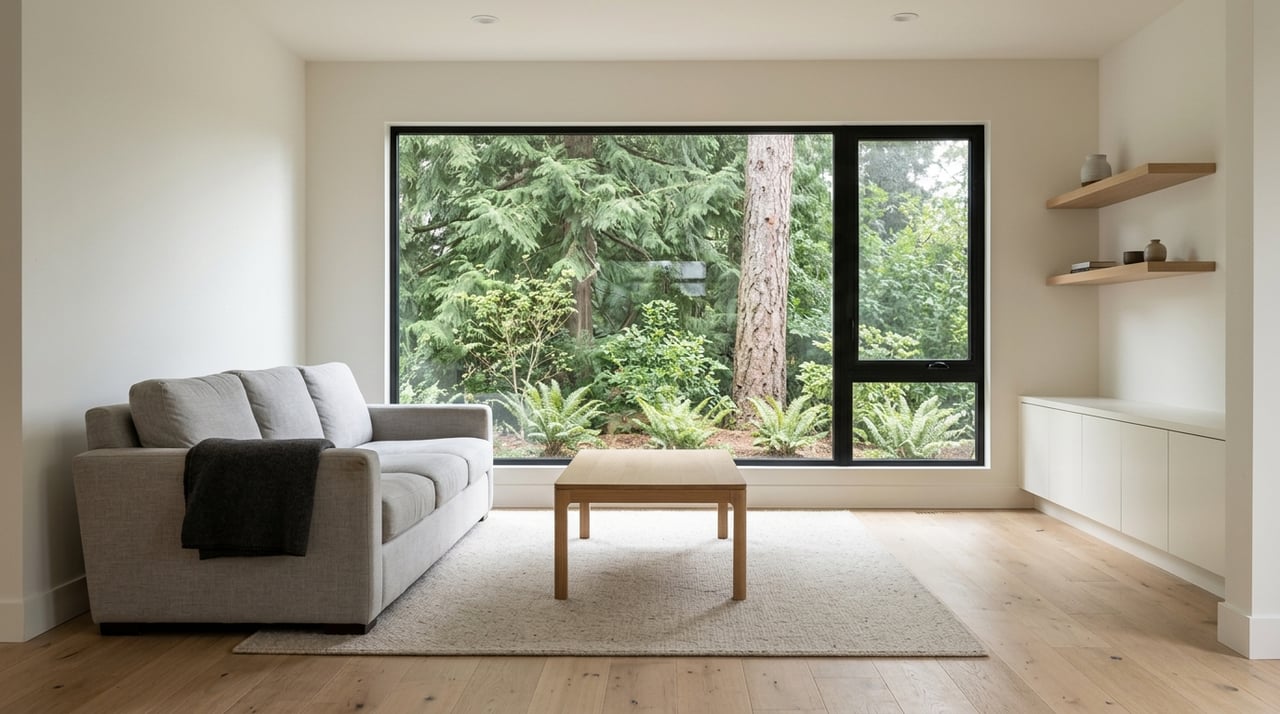
Feeling cramped in a home that once fit your life perfectly? If you own in Hayden and you are thinking about selling your current place to buy a larger or better-fit home, the biggest challenge usually is not deciding whether to move up. It is figuring out how to time the sale, protect your equity, and avoid getting stuck between homes. This guide will help you plan your Hayden move-up sale with more confidence, from pricing and prep to timing your next purchase. Let’s dive in.
Start With Your Current Home
For most move-up sellers, your current home is the engine behind the next purchase. The equity you unlock from your sale often helps fund your down payment, closing costs, moving expenses, and any immediate work needed at the next property.
That is why many homeowners choose to sell first before buying. In practical terms, your current sale sets the pace for everything else, including your budget, your purchase timeline, and how much flexibility you have when the right next home appears.
Use Hayden Market Data Carefully
Hayden has a strong base of homeowners, with a 75.0% owner-occupied housing unit rate and a 2025 population estimate of 17,363. Census data also shows 6,169 households, 2.62 persons per household, and a median owner-occupied home value of $494,500.
At the same time, public home price snapshots do not tell one simple story. Zillow reported a typical home value of $645,199 and a median sale price of $596,807 as of March 31, 2026, while Redfin reported a median sale price of $514,734 for the three months ending April 2026. Realtor.com showed a median listing price of $791,000 in its March 2026 snapshot.
Those numbers are not necessarily contradictory. They reflect different methods, date ranges, and listing versus closed-sale data. For you as a move-up seller, the real takeaway is this: citywide averages are only a starting point.
Why Comparable Sales Matter More
If you want to know what your Hayden home could realistically sell for, you need recent comparable sales that match your neighborhood, home size, condition, lot type, and features. A house near yours may compete very differently from a home across town, even if headline market reports group them together.
That matters even more in a market where homes can still move quickly. Zillow reported 14 median days to pending, while Redfin reported about 23 days on average to pending and homes selling around 1% below list. That kind of pace rewards accurate pricing and strong presentation, not guesswork.
Price for Your Next Move, Not Emotion
It is easy to look at your home through the lens of memories, upgrades, and effort. Buyers, however, compare your property to what else is available right now and to what has closed recently in the area.
A smart move-up strategy starts with a realistic list price based on recent comps, current competition, and condition. If you price too high, you risk losing momentum and delaying the purchase side of your move. If you price correctly, you are more likely to attract serious buyers early and create a smoother path to your next home.
Signs Your Price May Be Too Ambitious
A price may be too aggressive if:
- similar Hayden homes are listed lower and offer more updates
- showings are light in the first couple of weeks
- buyers are visiting but not making offers
- feedback repeatedly points to value compared with other options
In a move-up sale, time is not just money. It also affects your ability to make confident decisions on the home you want to buy next.
Prepare Your Hayden Home Before Listing
A move-up sale works best when you reduce surprises early. That means addressing obvious issues, improving presentation, and getting ready for the questions and inspections that usually come once you are under contract.
Because Hayden buyers may be comparing homes across a broad price range, presentation can have a real impact. In a market where many homes go pending within a few weeks, first impressions matter.
Focus on High-Impact Prep
Before listing, prioritize the basics that help buyers see value clearly:
- complete visible repairs
- deep clean the home
- declutter and simplify each room
- touch up exterior areas that show wear
- make sure listing photos are strong and current
These steps do not have to be flashy. The goal is to make your home feel cared for, functional, and move-in ready where possible.
Uncover Issues Early
If your home is older or has known concerns, it is usually better to identify them early instead of waiting for a buyer inspection to reveal them. This can help you plan repairs, set expectations, and reduce stress once escrow begins.
In Idaho, sellers of residential real property generally have a state property condition disclosure requirement. The RE-25 form states that sellers must complete the disclosure and deliver a signed, dated copy to each prospective transferee or that person’s agent within 10 calendar days of accepting an offer, unless an exemption applies.
What Idaho Disclosure Means for You
The disclosure is not a warranty, and it does not replace the buyer’s inspections. Idaho’s form also makes clear that buyers should obtain their own professional inspections.
For you, the practical lesson is simple: disclose known issues honestly and prepare for inspection-related negotiations. Full, timely disclosure can reduce friction and help your transaction stay on track.
Coordinate the Sale and Purchase Timing
The biggest question many move-up sellers ask is whether they should shop first or list first. In most cases, selling first gives you the clearest picture of your budget and removes a lot of uncertainty.
That said, timing tools can help if your sale and purchase do not line up perfectly. The key is to plan them early, not treat them like last-minute rescue options.
Timing Tools That Can Help
Common contract strategies may include:
- home-sale contingency, which gives you time to sell your current home before closing on the next one
- home-close contingency, which gives you time to close your current sale before you buy
- rent-back agreement, which may allow you to stay in your sold home for a period after closing if the buyer agrees
These tools work best when timelines are clear and negotiated carefully. They can create breathing room, but they should be part of a coordinated plan from the start.
Rent-Back vs Temporary Housing
If your household cannot easily handle a gap between homes, a rent-back may feel more manageable than moving twice. But it is not always the automatic best answer. Terms, timing, and the final move-out date need to be clearly negotiated.
Temporary housing also has real costs. Hayden’s median gross rent was $1,733 in the 2020 to 2024 ACS, so even a short rental gap can affect your budget in a meaningful way.
Build a Full Move-Up Budget
A lot of sellers focus on sale proceeds and down payment, but that is only part of the picture. A move-up plan should also account for the full cost of changing homes.
Beyond your next mortgage, you may need to budget for closing costs, moving expenses, repairs, and home improvements. These costs can add up quickly, especially if your next home needs updates right away.
Watch the Monthly Payment Changes
Mortgage rates also affect affordability. Freddie Mac reported a U.S. average 30-year fixed mortgage rate of 6.53% for the week ending May 28, 2026.
Even if you bring strong equity into the next purchase, a higher rate or larger loan can change your monthly payment more than expected. That is one reason it helps to understand your full numbers before you start making offers.
Do Not Assume Taxes Will Stay Similar
Your next home may also carry a different property tax burden. Kootenai County says property taxes are based on assessed market value and local taxing districts, and the county assessor appraises property at fair market value.
If you are buying a larger or more expensive replacement home, your monthly ownership costs may rise even if your sale goes well. The county also notes that assessment notices are mailed at the end of May and tax bills at the end of November, so it is smart to verify escrow estimates on the new home rather than assuming your current payment pattern will carry over.
Keep the Process Calm and Strategic
A move-up sale can feel like two major transactions happening at once because that is exactly what it is. But it becomes much more manageable when you treat the process like a sequence instead of a scramble.
Start with realistic pricing, strong preparation, and a clear understanding of your likely proceeds. Then align your sale timeline with your purchase strategy, including any contingency or rent-back needs. That kind of early planning can help you protect your equity, reduce surprises, and move into your next chapter with more confidence.
If you are thinking about moving up from your Hayden home, a local, relationship-first plan can make all the difference. When you are ready to map out pricing, timing, and your next purchase goals, connect with A-Team Real Estate for a free consultation.
FAQs
Should I list my Hayden home before shopping for my next home?
- In many cases, yes. Selling first can give you a clearer budget, help you access your equity, and reduce uncertainty before you make an offer on your next home.
What if I find a replacement home before my Hayden home is under contract?
- You may be able to use a home-sale contingency or home-close contingency, depending on the situation and what the other party will accept. These timing tools work best when planned early with clear deadlines.
Is a rent-back better than temporary housing for a Hayden move-up sale?
- It depends on your timing, budget, and the buyer’s agreement. A rent-back can reduce the need to move twice, but the terms and move-out date should be carefully negotiated.
What does Idaho require for seller disclosure when selling a Hayden home?
- Idaho’s RE-25 property condition disclosure form states that sellers must provide a signed, dated disclosure to each prospective transferee or agent within 10 calendar days after offer acceptance, unless an exemption applies.
How do I know if my Hayden list price is realistic?
- The best guide is recent comparable sales in your neighborhood, adjusted for condition, size, lot, and features. Citywide price averages can be helpful context, but they are not enough on their own.
How can monthly costs change when buying a larger home in Hayden?
- Your next monthly cost may change due to mortgage rate, loan size, property taxes, insurance, moving expenses, repairs, and immediate improvements. It is important to budget for the full picture, not just the down payment.